
Satisfies 1 requirement
40FT 20FT Cutomized Modular Foldable Expandable Prefabricated Prefab Movable Home House Villa Labor Camp Site Office Dormitory Housing Toilet Container
US$4,400.00-4,800.00
1 Set(MOQ)

200000+ products and 70000+ suppliers results


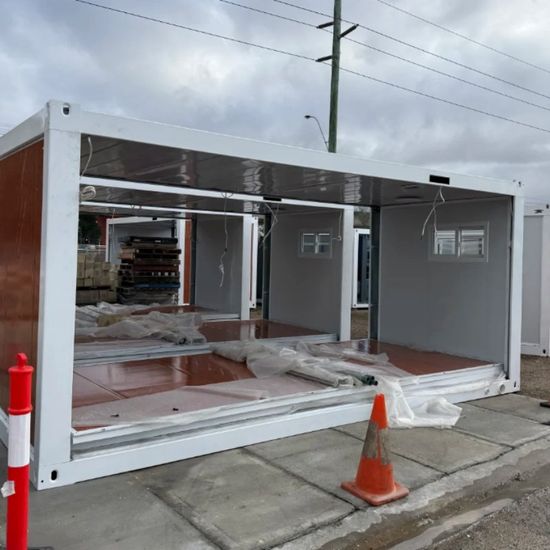


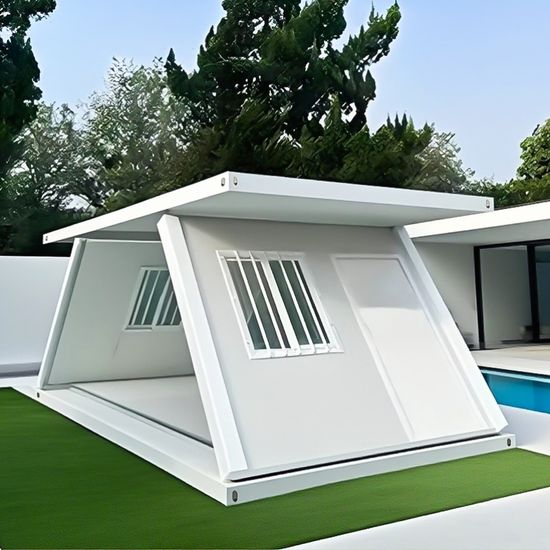


Buyers should prioritize the galvanized steel frame thickness (ideally ≥2.5mm) to ensure structural integrity and rust resistance. The wall panels should be made of fireproof rock wool or glass wool sandwich panels with a density of at least 50kg/m³ for optimal thermal insulation and safety. Additionally, verify the folding hinge durability, ensuring they are made of stainless steel or reinforced alloy to withstand multiple assembly cycles without deformation.
It is critical to verify that the supplier holds ISO 9001 for quality management and CE certification for structural safety. For specific markets, ensure compliance with ASTM standards (USA) or AS/NZS standards (Australia/New Zealand) regarding wind load resistance (typically Grade 10-11) and snow load capacity. Always request fire rating certificates (Class A) for the internal insulation materials to meet local building codes.
Folding house containers are ideal for emergency disaster relief, construction site dormitories, remote mining offices, and temporary tourist cabins. Their main advantage is rapid deployment; a standard unit can typically be unfolded and installed by two workers within 10 to 15 minutes. Their space-saving design allows for up to 10-12 units to be loaded into a single 40HQ shipping container, significantly reducing inland and ocean freight costs.
Most professional manufacturers on Made-in-China.com offer customization for internal layouts, including integrated electrical systems (pre-installed to local standards), plumbing for built-in bathrooms, and flooring options like fireproof MGO board or PVC leather. External aesthetics can be modified through custom paint colors or decorative cladding panels to align with specific branding or environmental requirements.
The most significant risks include damage during maritime transit and non-compliance with local zoning laws. To mitigate these, ensure the supplier uses heavy-duty protective packaging for the hinges and glass components. Always conduct a pre-shipment inspection (PSI) to verify that the dimensions and materials match the Proforma Invoice, as returning bulky structures is economically unfeasible.
Focus on the Total Cost of Ownership (TCO) rather than just the unit price. Negotiate for spare parts kits (extra hinges, sealant, and bolts) to be included at no cost. For bulk orders exceeding 20 units, aim for a 5-10% volume discount or an upgrade to thicker galvanized coatings (e.g., 100g/m²) to extend the product's lifespan in coastal environments.
Utilize SOC (Shipper Owned Container) strategies if you are buying in large volumes, or ensure the supplier maximizes 40HQ container utilization. Since these are heavy items, confirm the port's lifting capacity at the destination. For smooth customs clearance, ensure the HS Code (typically 940690) is correctly declared and that all wood packaging is fumigated and marked with the ISPM15 stamp.
Always use secure payment methods such as Letters of Credit (L/C) for large orders or the secured trading services provided by Made-in-China.com. Avoid direct wire transfers to private accounts. Prioritize Audited Suppliers who have undergone third-party verification by agencies like SGS or Bureau Veritas to ensure the factory actually possesses the production capacity they claim.