
Satisfies 1 requirement
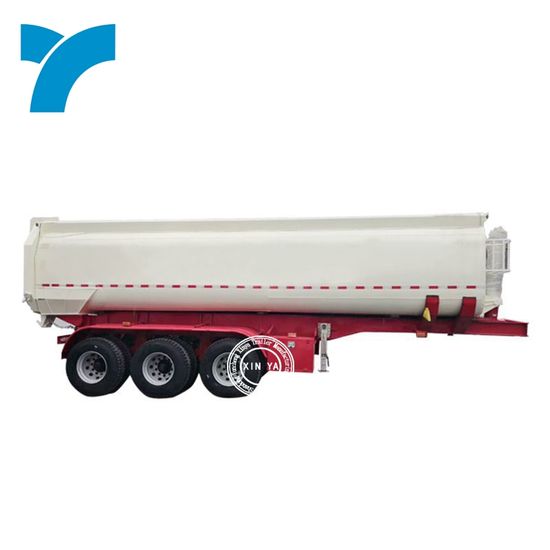
42000 45000 Liters Maxway Brand New Fuel Tank Aluminum Oil Tanker Semi Trailer for Sales in South Africa
US$20,000.00-22,000.00
1 Unit(MOQ)

I have found results from90000+products and20000+suppliers aboutAluminum tank semi trailer




When procuring aluminum tank semi-trailers, focus on the aluminum alloy grade, typically 5083 or 5454, which offers superior corrosion resistance and structural strength. Verify the tank thickness (usually 6mm to 7mm for the shell) and the quality of robotic longitudinal welding to ensure leak-proof performance. Additionally, check the axle brand (e.g., BPW or FUWA) and the braking system (ABS/EBS) to ensure operational safety and stability under heavy loads.
The trailer must adhere to ADR (European Agreement concerning the International Carriage of Dangerous Goods by Road) if transporting hazardous materials. For specific markets, ensure compliance with DOT (USA), GCC (Middle East), or CE (Europe) standards. It is critical to request Pressure Vessel Certificates and ISO 9001 quality management certifications from the manufacturer to guarantee the vehicle meets international safety benchmarks.
Aluminum trailers are significantly lighter than carbon steel, reducing the tare weight by approximately 30-50%. This allows for a higher payload capacity per trip, leading to increased revenue. Furthermore, aluminum's natural corrosion resistance eliminates the need for frequent painting and maintenance, while its high scrap value ensures a better return on investment at the end of the vehicle's lifecycle.
For food-grade transport (e.g., milk or vegetable oil), the interior must have a high-polish finish and meet FDA or equivalent food-safety standards. For chemical or fuel transport, the trailer must be equipped with anti-static devices, emergency shut-off valves, and vapor recovery systems. Ensure the baffle design inside the tank is optimized to reduce liquid surge during transit, enhancing vehicle handling.
Utilize Secured Trading Services provided by reputable platforms like Made-in-China.com to ensure payment safety. Always conduct a third-party pre-shipment inspection (PSI) through agencies like SGS or Bureau Veritas to verify that the technical specifications match the contract. Never release the full balance until the Bill of Lading (B/L) and quality inspection reports are confirmed.
The most common methods are Ro-Ro (Roll-on/Roll-off) shipping, which is the safest for preventing structural damage, and Bulk Cargo shipping, which is often more economical for multiple units. If shipping via 40ft FR (Flat Rack) containers, ensure the supplier provides a detailed loading and lashing plan to prevent movement and oxidation during sea transit.
Focus negotiations on the component configuration (e.g., requesting premium tires or specific valve brands) rather than just the base price. Ask for a comprehensive warranty package that includes key structural components for at least 12 to 24 months. For bulk orders, negotiate for free wearing parts kits (seals, gaskets, brake pads) to be included in the shipment to reduce initial operating costs.
Provide the supplier with your local Maximum Allowable Gross Vehicle Weight (GVW) and axle load limits. Verify the kingpin size (2 inch or 3.5 inch) and fifth-wheel height to ensure compatibility with your existing tractor units. Requesting a technical drawing for approval before production starts is a mandatory step to avoid non-compliance issues upon arrival.