
Satisfies 1 requirement
Eleph Brand 20FT 40FT Tri Axle Skeleton Container Chassis Semi Trailer Skeletal Skeleton Trailer
US$9,400.00-10,000.00
1 Piece(MOQ)

I have found results from40000+products and10000+suppliers aboutSkeleton chassis semi trailer


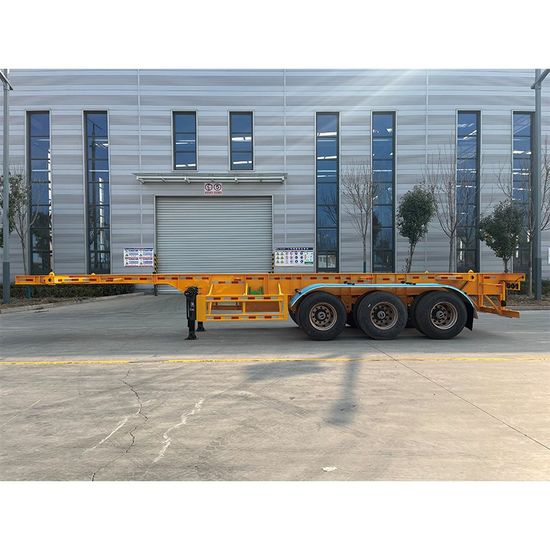


When evaluating a skeleton chassis, the main beam material is paramount; look for high-strength Q345B or T700 steel to ensure load-bearing capacity without excessive weight. Pay close attention to the twist lock quality, as these are the primary safety points for securing containers. For long-term durability, ensure the chassis undergoes shot blasting and a polyurethane paint process to prevent corrosion. Additionally, verify the axle brand (e.g., FUWA or BPW) and suspension type (mechanical or air suspension) based on your local road conditions and maintenance capabilities.
A standard skeleton chassis is typically designed for 20ft, 40ft, or 45ft containers. You should specify if you require a multi-purpose chassis equipped with 12 sets of twist locks, which allows for the transport of either one 40ft container or two 20ft containers simultaneously. For specialized logistics, consider extendable (gooseneck) designs that can adjust their length to accommodate varying container dimensions while maintaining optimal weight distribution.
The trailer must adhere to the ISO 1161 standard for container securing points. Depending on the destination market, you must verify certifications such as DOT (USA), ADR (Europe), or GCC (Middle East). Ensure the braking system is equipped with WABCO ABS or EBS valves to meet international safety regulations. Furthermore, the reflective marking and lighting systems must comply with the specific traffic laws of the importing country to pass local registration.
Focus on the tare weight (unladen weight); a lighter chassis made of high-strength steel allows for higher payloads and reduced fuel consumption, directly impacting profitability. Calculate the Total Cost of Ownership (TCO) by factoring in the lifespan of wear parts like tires (12R22.5 is standard) and brake linings. Choosing a supplier on Made-in-China.com that offers a 2-year structural warranty can significantly reduce long-term maintenance risks.
To reduce ocean freight, many buyers utilize Bulk Cargo or RORO (Roll-on/Roll-off) shipping. However, a more cost-effective method is containerization via SKD (Semi-Knocked Down), where 2 or 3 trailers are stacked and bolted together to fit into a 40ft High Cube container. This can reduce shipping costs by up to 40%, though it requires basic assembly facilities at the destination.
Always use Trade Assurance or Secure Payment services provided by reputable platforms like Made-in-China.com to protect your funds until delivery. Before final payment, hire a third-party inspection agency (such as SGS or BV) to conduct a pre-shipment inspection. This ensures the welding quality, dimensions, and component brands match the agreed-upon Proforma Invoice (PI).
Negotiate based on volume and component standardization. If purchasing more than 5 units, request bulk discounts (typically 5-10%). You can also negotiate for free wearing parts kits (e.g., extra twist locks, light covers, and brake chambers) to be included in the shipment. Clarify the Incoterms (FOB vs. CIF) clearly to avoid hidden port charges at the destination.
The most common pitfall is under-specifying the steel thickness to save on initial costs, which leads to frame cracking under heavy loads. Another risk is non-compliance with local axle load limits; always provide your country's road regulations to the supplier during the design phase. Lastly, ensure all Customs Clearance documents (CO, Form E, CIQ) are prepared accurately to avoid expensive demurrage fees at the port.