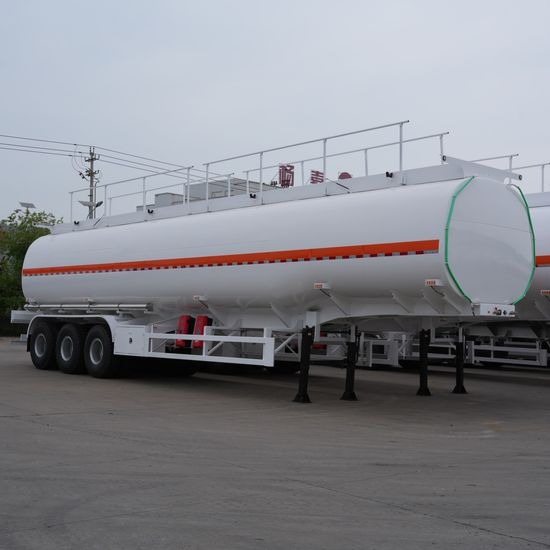
3 Axle 30000L/40000L/50000L Carbon Steel/Stainless Steel/Aluminum Alloy Tank/Tanker Truck Semi Trailer for Oil/Fuel/Diesel/Gasoline/Crude/Water/Milk Transport
US$15,000.00-30,000.00
1 set(MOQ)
Sample Available
3 Axle 30/35/40/45cbm Bulk Cement/Fly Ash/Flour/Powder Material Transport Tank/Tanker Semi Trailer
US$16,000.00-25,000.00
1 set(MOQ)
Sample Available
3 Axle 30/40/50 T/Ton Bulk Cement/Fly Ash/Flour/Powder Material Transport Tank/Tanker Semi Trailer
US$12,700.00-24,700.00
1 set(MOQ)
Sample Available
2axle/3axle/4axle 30cbm/35cbm/40cbm/45cbm Export Cement Bulk Carrier Tanker Semi Trailer
US$13,000.00-24,700.00
1 set(MOQ)
Sample Available
Three Axle 40/50 Cbm Bottom Discharge/Unloading Bulk Cement/Fly Ash/Flour/Powder Material Transport Tank/Tanker Heavy Duty Truck Semi Trailer
US$12,000.00-30,000.00
1 set(MOQ)
Sample Available
3 Axle 30/35/40/45cbm Bulk Cement/Fly Ash/Flour/Powder Material Transport Tank/Tanker Heavy Duty Truck Semi Trailer
US$13,000.00-28,000.00
1 set(MOQ)
Sample Available
2/3 Axle Stainless Steel/Aluminum Alloy Tank/Tanker Truck Semi Trailer for Oil/Fuel/Diesel/Gasoline/Crude/Water/Milk Transport
US$21,200.00-34,000.00
1 set(MOQ)
Sample Available
4 Axle 60000liters Oil Tanker Semi Trailer for Diesel Gasoline Transport
US$20,100.00-23,000.00
1 Piece(MOQ)
Sample Available