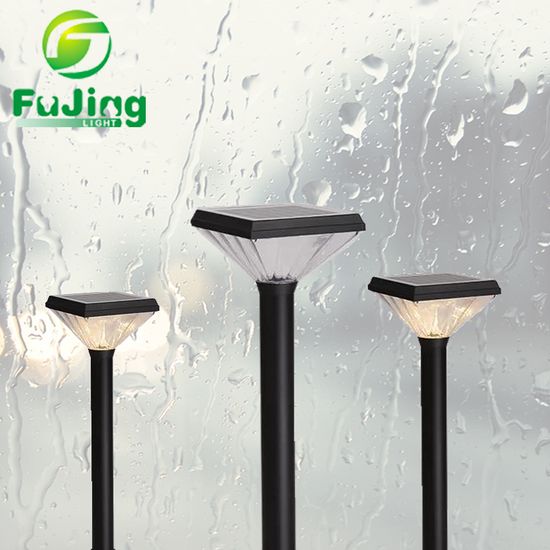
Solar Outdoor Wall Light Lawn Waterproof Garden Landscape LED Flickering Lamp

Solar Lamp LED Stake Light

Sola Duck Lamp Waterproof Solar Floating Pool Light for Garden IP65 Rated

Solar Powered LED Garden Light

Solar Slim Stake LED Garden Light

I have found results from400+products and200+suppliers aboutSola light


Selecting high-quality solar lighting requires balancing photovoltaic efficiency, battery longevity, and luminous efficacy. For commercial projects, prioritize All-in-One (Integrated) designs for ease of installation, or Split-type solar lights if you need larger solar panels for high-wattage requirements. Ensure the Solar Panel is Monocrystalline Silicon, which offers a conversion rate of 19-22%, significantly higher than polycrystalline alternatives.
Always specify LiFePO4 (Lithium Iron Phosphate) batteries over lead-acid or standard Li-ion, as they offer over 2,000 charge cycles and better thermal stability. For the LED chips, look for reputable brands like Bridgelux, Cree, or Lumileds with a luminous efficacy of at least 150-180 lm/W. Ensure the Controller is MPPT (Maximum Power Point Tracking) rather than PWM, as MPPT increases charging efficiency by 20-30% in low-light conditions.
To ensure safety and market access, products must carry CE, RoHS, and FCC certifications. For outdoor durability, an IP65 or IP67 waterproof rating is essential. If exporting to the US, check for UL or ETL listing; for Europe, ensure compliance with the LVD and EMC directives. Additionally, IK08 or higher impact resistance is recommended for public installations to prevent vandalism.
Request a IES test report and a battery capacity test record. A reliable solar light should provide 3-5 days of autonomy (rainy day backup). Be wary of 'fake wattage' claims; instead, calculate the Battery Watt-hour (Wh = Voltage x Ah). For example, a 100W LED light should ideally be paired with a battery of at least 300-400Wh to ensure it lasts through the night at full brightness.
The biggest risk is battery degradation during long-term sea transit and false advertising of lumen output. To mitigate this, use Third-party Inspections (such as SGS or Intertek) to verify battery grades (Grade A vs. Grade B) before the balance payment. Ensure the supplier provides a UN38.3 Test Report and MSDS for the batteries, as these are mandatory for international shipping of hazardous materials.
Focus on Total Cost of Ownership (TCO) rather than just the unit price. Negotiate for a 2-5 year warranty and request 1-2% spare parts (controllers and LEDs) to be included in the container. On Made-in-China.com, prioritize Diamond Members and Audited Suppliers who have verified production lines, as they are more likely to honor long-term warranty claims.
Solar lights contain lithium batteries, which are classified as Class 9 Dangerous Goods. You must ensure the supplier uses specialized DG (Dangerous Goods) packaging. For shipping to countries with high anti-dumping duties on solar panels, verify the Certificate of Origin (CO) carefully. For large street light poles, consider local sourcing of poles while importing only the lamp heads and panels to save on high volumetric shipping costs.
Utilize Secured Trading Services offered by platforms like Made-in-China.com to protect your payment until the goods pass inspection. Always request a Pre-shipment Inspection (PSI) to check the color temperature (CCT) consistency and housing material thickness (Die-cast aluminum vs. Plastic), ensuring the bulk production matches the approved gold sample.