
SourcingAI

Gym resistance bands manufacturers

I have found results from700+products and300+suppliers aboutGym resistance bands

Jinhua Tenmara Sports Goods Co., Ltd.mic-icon
Satisfies 2/2 of your requirements

Sourcing guidance for Gym Resistance Bands

How to choose the right material for Gym Resistance Bands?

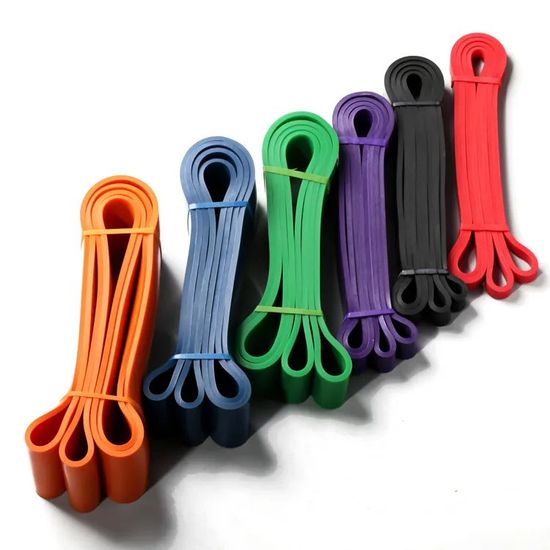
The material determines durability and skin safety. Natural Latex is preferred for its superior elasticity and 'snap-back' resistance, though it may cause allergies. TPE (Thermoplastic Elastomer) is a cost-effective, latex-free alternative but has a shorter lifespan. For heavy-duty commercial use, Fabric-Wrapped Resistance Bands (polyester-cotton blend) are ideal as they prevent rolling, pinching, and snapping, providing a more comfortable user experience.

What are the key technical specifications and quality standards for resistance bands?

Buyers should verify the Tensile Strength (measured in lbs or kg) to ensure the bands meet the advertised resistance levels. Look for ISO 9001 certification for manufacturing consistency and REACH or RoHS compliance to ensure the materials are free from harmful phthalates and heavy metals. For tube-style bands, ensure the carabiners are made of reinforced steel and the door anchors have high-density foam to prevent equipment failure.

How can I evaluate the durability and safety of these products?

Request a Fatigue Test Report from the supplier; high-quality bands should withstand at least 5,000 to 10,000 stretch cycles without permanent deformation. Check for Anti-Snap Technology, which often involves a multi-layering process or an inner safety cord in tube bands. For flat bands, ensure the edges are smooth and uniform to prevent micro-tears that lead to snapping during high-tension exercises.

What customization options are available for B2B buyers?

Most professional suppliers on Made-in-China.com offer OEM/ODM services. This includes Private Labeling (Logo Printing) via silk-screen or woven labels, Custom Color-Coding to match brand aesthetics, and Bespoke Packaging such as branded carry bags or instruction manuals. For fitness sets, you can often customize the combination of resistance levels (e.g., Light to Extra Heavy) based on your target market's fitness level.

Cross-Border Purchasing Considerations for Gym Resistance Bands

What are the common risks when importing resistance bands and how to mitigate them?

The primary risk is material degradation due to improper storage or low-grade chemical fillers. To mitigate this, request pre-shipment samples and use third-party inspection services (like SGS or Intertek) to verify material composition. Ensure the contract specifies that the goods must be stored in a cool, dry environment before shipping, as extreme heat can cause latex to become brittle.

How should I negotiate with suppliers for bulk orders?

Focus on Tiered Pricing; for orders exceeding 1,000 sets, you can typically negotiate a 15-25% discount. Discuss Incoterms clearly—while FOB (Free On Board) is standard, you might negotiate for DDP (Delivered Duty Paid) if you want the supplier to handle all customs and local delivery complexities. Always ask for a spare parts allowance (e.g., 1-2% extra carabiners or handles) at no additional cost.

What are the shipping and logistics best practices for this product?

Resistance bands are high-density and relatively lightweight, making them suitable for both Sea Freight (LCL) for cost savings and Air Freight for urgent stock replenishment. Ensure the outer cartons are double-walled corrugated cardboard and palletized to prevent crushing. For US or EU markets, ensure all Country of Origin (Made in China) markings are clearly visible on the packaging to avoid customs delays.
How to ensure transaction security during the procurement process?

Utilize the Secured Trading Services provided by Made-in-China.com to protect your payment until the goods are confirmed as shipped. Avoid direct wire transfers to private accounts; always pay to the verified company bank account listed on the platform. Ensure the Sales Contract includes specific clauses regarding defective rate thresholds (usually <1%) and clear refund/replacement policies for quality non-compliance.

Related queries