
Satisfies 1 requirement
Micron Wire Mesh Filter Mesh Woven Net Ss201 SS304
US$95.00-260.00
10 Rolls(MOQ)

I have found results from100000+products and50000+suppliers aboutWoven net


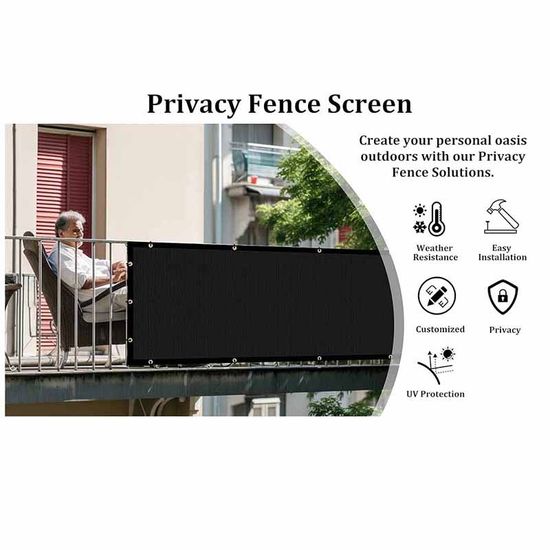


The choice of material directly impacts the net's lifespan and performance. For outdoor applications, prioritize High-Density Polyethylene (HDPE) with UV stabilizers to prevent degradation from sunlight. For industrial filtration or high-strength safety requirements, Stainless Steel (304 or 316 grade) or Polyester are preferred due to their tensile strength and corrosion resistance. Always verify the denier (for polymers) or wire gauge (for metal) to ensure it meets your load-bearing specifications.
Mesh size should be selected based on the minimum particle size you need to retain or exclude. Common weave types include Plain Weave (standard stability), Twill Weave (for heavier loads), and Leno Weave (to prevent yarn displacement in loose meshes). For agricultural shading, focus on the shading percentage (e.g., 30%-90%), whereas for construction safety, focus on impact resistance and aperture uniformity.
Ensure the supplier complies with ISO 9001 for quality management. For safety nets used in construction, look for EN 1263-1 (European standard) or ANSI A10.11 (US standard). If the net is used in food processing or aquaculture, it must meet FDA or REACH chemical safety standards to ensure no toxic substances leach into the environment or products.
Request a Tensile Strength Test Report to confirm the breaking point. Check the edge treatment (selvage); reinforced edges or heat-sealed borders prevent fraying under tension. For plastic nets, perform a colorfastness test and check for uniformity in the weave pattern, as inconsistencies often indicate poor calibration of the weaving machinery.
The most common risk is material substitution, where a supplier uses recycled plastic instead of virgin HDPE, leading to premature brittleness. To mitigate this, use Made-in-China.com's Secured Trading services and insist on a Pre-shipment Inspection (PSI) by third parties like SGS or Intertek to verify material composition and UV additive levels.
Woven net pricing is highly sensitive to raw material commodity prices (plastic resin or steel). Negotiate based on weight per square meter (gsm) rather than just linear meters to ensure you are getting the promised density. For large volumes, aim for a 10-15% discount by committing to an annual volume while requesting staggered shipments to manage your inventory costs.
Woven nets are bulky but relatively lightweight. To optimize shipping costs, request vacuum compression packaging or tightly rolled bales to reduce the volumetric weight. Ensure the outer packaging is waterproof (PE film wrapping) to prevent moisture and mold during long-sea transit, especially for natural fiber or polyester nets.
Always conduct transactions through verified suppliers on Made-in-China.com to utilize their audit reports. Check the Harmonized System (HS) Code (typically under Chapter 56 or 73) to confirm import tariffs and anti-dumping duties in your country, as certain steel or synthetic nets may be subject to trade protection measures.