
Satisfies 1 requirement
Custom Rigid Cardboard Packaging for Glass Tea Cups
US$0.42-1.48
500 Pieces(MOQ)

I have found results from100000+products and60000+suppliers aboutTissue paper packaging


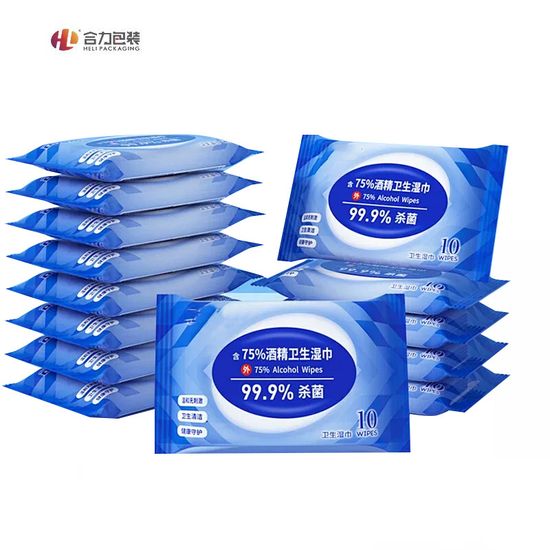


When sourcing tissue paper packaging, you must prioritize material weight (GSM) and tensile strength. For standard facial tissues, a 2-ply or 3-ply configuration is common, while industrial paper towels require higher wet-strength additives. Ensure the packaging film is made of BOPP or PE for moisture resistance, and verify that the sealing temperature requirements are compatible with your automated packing machinery.
Compliance is critical as these products often come into contact with skin or food. You should require FSC (Forest Stewardship Council) certification to ensure sustainable sourcing. For the packaging materials, ensure they meet FDA or EU food-grade contact standards if used in kitchen environments. Additionally, check for ISO 9001 (Quality Management) and ISO 14001 (Environmental Management) certifications from the manufacturer to guarantee consistent production quality.
For B2B buyers, brand visibility is key. Request information on flexographic or gravure printing capabilities, ensuring the supplier can match Pantone colors with a low variance (Delta E < 2.0). Ask for samples to check ink adhesion and print registration accuracy. High-quality suppliers on Made-in-China.com often provide OEM/ODM services where they can customize the perforation lines and embossing patterns to enhance the tactile feel of the tissue.
Cost-efficiency is driven by compression ratios and loading quantities. High-density packaging allows for more units per 40HQ container, significantly reducing landed costs. You should also negotiate based on pulp price indexes (such as NBSK or BHKP), as raw material fluctuations impact the final price. Opting for jumbo roll sourcing for local converting can also be more economical than importing finished retail packs if you have the processing infrastructure.
The biggest risks are moisture damage during sea transit and volumetric weight charges. Ensure the supplier uses heavy-duty moisture-proof pallets and desiccants inside the container. Because tissue is lightweight but bulky, always calculate shipping costs based on volume (CBM) rather than weight to avoid unexpected logistics surcharges.
Focus on Tiered Pricing and Lead Time Guarantees. Request a breakdown of the raw material vs. conversion cost. For long-term contracts, negotiate a price adjustment clause linked to global pulp market trends. Always verify the supplier's Production Capacity to ensure they can handle seasonal spikes in demand without compromising quality.
Utilize Secured Trading Services provided by Made-in-China.com to protect your payments. Never transfer the full amount upfront; a standard 30% deposit and 70% balance against the Bill of Lading (B/L) is recommended. For first-time large orders, hiring a third-party inspection agency (like SGS or Intertek) to perform a Pre-Shipment Inspection (PSI) is a vital safeguard.
Choose the right Incoterms; FOB (Free On Board) is generally preferred for experienced buyers to maintain control over freight costs. Ensure the supplier provides a detailed Packing List and Certificate of Origin to benefit from potential Free Trade Agreement (FTA) tariff exemptions. For North American or European markets, ensure the pallets meet ISPM 15 heat-treatment standards to avoid customs rejection.