
Satisfies 1 requirement
Design Custom Cardboard Folding Subscription Mail Carton Intelligent Device Packaging Paper Box
US$0.22-0.50
500 Pieces(MOQ)

I have found results from10000+products and2000+suppliers aboutSubscription box

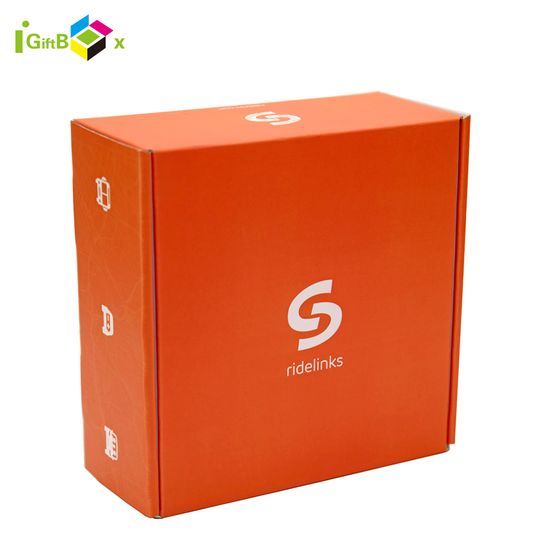


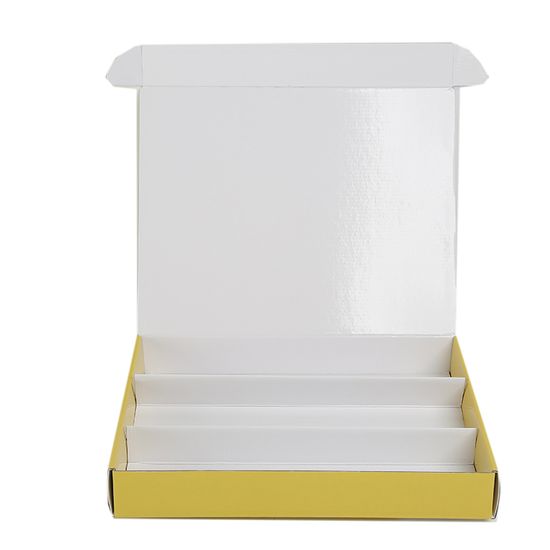


Selecting the appropriate material is critical for both brand perception and product protection. For most subscription models, Corrugated Cardboard (E-flute or B-flute) is the industry standard due to its excellent crush resistance and lightweight properties, which help minimize shipping costs. If you are shipping luxury items, consider Rigid Boxes (Set-up boxes) for a premium unboxing experience. Ensure the structural design includes locking tabs to prevent accidental opening during transit without the need for excessive adhesive tape.
To ensure your brand stands out, choose between CMYK Offset Printing for high-volume, photographic quality, or Digital Printing for low-volume runs with multiple design variations. For a professional touch, apply a Matte or Gloss Lamination to protect the ink from scratches during the shipping process. Advanced techniques like Spot UV, Foil Stamping, or Embossing can be used on the logo to create a tactile, high-end feel that encourages social media 'unboxing' shares.
Global markets are increasingly demanding eco-friendly solutions. Prioritize suppliers with FSC (Forest Stewardship Council) Certification, which guarantees the paper is sourced from responsibly managed forests. Ensure the inks used are Soy-based or Water-based to comply with environmental regulations like REACH (EU) or TPCH (USA) regarding heavy metals in packaging. If your box includes inserts, verify they are 100% recyclable or biodegradable to meet the expectations of modern eco-conscious subscribers.
A successful subscription box must secure its contents. Request Custom Foam Inserts (EVA or EPE) or Cardboard Dividers tailored to your specific product dimensions to prevent movement. Conduct a Drop Test (ISTA 1A or 3A standards) to ensure the packaging can withstand the rigors of cross-border logistics. The internal layout should not only protect the goods but also present them aesthetically the moment the box is opened.
Packaging is high-volume but low-weight, which can lead to high Dimensional Weight (DIM weight) charges. To optimize costs, always source boxes that are shipped flat (knocked down) to reduce shipping volume. Work with suppliers on Made-in-China.com who offer Sea Freight (LCL) options for bulk orders, as air freight for empty boxes is rarely economically feasible.
Focus on Volume-Based Tiered Pricing; packaging unit costs drop significantly as quantity increases (e.g., 1,000 vs. 5,000 units). Negotiate for Free Die-cutting Mold Fees if the order exceeds a certain value. Additionally, request a Pre-production Sample (PPS) before the full run to verify color accuracy (Pantone matching) and structural integrity, ensuring the final product matches your digital proof.
Use secure payment methods and consider Third-party Inspection Services to check the goods before they leave the factory. On Made-in-China.com, look for Audited Suppliers who have undergone on-site verification. Ensure your contract specifies Color Tolerance Levels (Delta E) and Quantity Variance Allowances (typically +/- 3-5% in the printing industry) to avoid disputes over minor production fluctuations.
Be aware of Customs Duties and Import Taxes (VAT/GST) in the destination country. For example, when shipping to the EU, ensure your EORI number is ready. If the boxes contain wood-based materials (like certain thick pulps), check if a Phytosanitary Certificate or heat treatment (ISPM 15) is required, though this is usually not necessary for standard processed corrugated cardboard.