
Satisfies 1 requirement
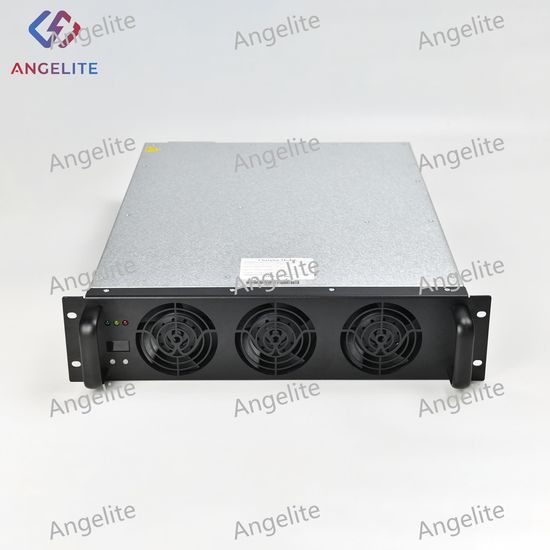
New Energy DC Car Solar EV Fast Charging Charger Station CCS2 380 V Double Gun Quick Charging Pile Fast Charging
US$3,600.00-7,000.00
1 Piece(MOQ)

I have found results from100000+products and30000+suppliers aboutSolar car charger


Buyers must prioritize Conversion Efficiency, aiming for monocrystalline silicon cells with a rating of at least 20-23%. Ensure the Output Voltage is compatible with standard vehicle batteries (typically 12V/24V) and check for Integrated Charge Controllers (MPPT or PWM) to prevent overcharging and reverse discharge. For portable units, IP65 or IP67 waterproof ratings are essential for outdoor durability.
To ensure market entry and safety, products must carry CE (EMC/LVD) for Europe and FCC for the United States. Since these devices often include battery components or connect to vehicle electronics, RoHS compliance for hazardous substances and UN38.3/MSDS for lithium battery transport safety are critical. For high-end markets, look for IEC 61215 which validates the terrestrial photovoltaic modules' design and quality.
Automotive accessories face extreme temperature fluctuations. Request Thermal Cycling Test reports and UV Resistance certifications for the PET or ETFE lamination. ETFE (Ethylene Tetrafluoroethylene) is preferred over PET for long-term B2B sourcing as it offers higher light transmittance, better scratch resistance, and a longer lifespan (5-10 years) compared to cheaper alternatives.
Focus on Off-grid Camping/RV enthusiasts who need to maintain starter batteries, Fleet Management companies looking to reduce battery drain in idle vehicles, and Marine applications where salt-spray resistance is a key selling point. Offering foldable, high-wattage (60W-100W) kits targets the outdoor market, while low-wattage (5W-10W) trickle chargers are ideal for seasonal vehicle storage.
Implement a strict sample-to-mass-production verification process. Use third-party inspection services like SGS or Intertek to perform EL (Electroluminescence) testing on a random sample of the bulk lot; this reveals hidden cracks or 'dead cells' not visible to the naked eye. Always include a Quality Guarantee Agreement in your contract specifying that the actual power output must be within ±3% of the rated wattage.
Focus on Tier 1 cell sourcing transparency. Ask the supplier to name the cell manufacturer (e.g., LONGi, Jinko). For large orders, negotiate based on Price Per Watt ($/W) rather than just unit price. To secure better terms, leverage the Made-in-China.com Secured Trading Service to ensure payment is only released upon successful quality inspection and shipment verification.
Solar panels are fragile and sensitive to pressure. Ensure the packaging includes reinforced corner protectors and double-walled corrugated boxes. If the charger includes a built-in power bank (lithium battery), it must be classified as Dangerous Goods (DG) for air freight. For sea freight, ensure the containers are stored away from heat sources to prevent delamination of the solar film during transit.
Be aware of Anti-Dumping Duties (ADD) and Countervailing Duties (CVD) that some regions (like the US or EU) impose on Chinese-origin solar products. Check the specific HS Code (typically 8501.31 or 8541.42) against your country's tariff schedule. Sourcing from suppliers on Made-in-China.com who provide Certificates of Origin (CO) can help in clarifying tariff obligations and streamlining customs clearance.