

Skinny jeans
I have found results from10000+products and6000+suppliers aboutSkinny jeans
Commonly Used:
US$
—
Customization Available
Sample Available
Manufacturer First
Product Attributes:
Style: Skinny
Decorative Method: Color Sprayed
Dyed Color: Light Blue
Size: S
Polyester Cotton Denim
Weaving Process: Yarn Dyed
Season: Summer
Style: Loose
Style: Straight
Decorative Method: Spliced
Decorative Method: Tear
Dyed Color: Apricot Yellow
Dyed Color: Rust
Dyed Color: Printed
Dyed Color: Indigo Blue
Dyed Color: Duotone
Dyed Color: White
Size: Free Size
Material: Stretch Denim
Weaving Process: Machine-embroidered
Weaving Process: Jacquard
Striped or Checked
Spring / Autumn

Satisfies 1 requirement
High Quality Custom Skinny High Waist Women Trousers Denim Jeans
US$6.60-7.80
300 Pieces(MOQ)

Satisfies 1 requirement
High-Quality Women's High-Waist Straight-Pencil Skinny Denim Jeans
US$5.60-10.00
2 Pieces(MOQ)

Satisfies 1 requirement
High-Rise Ladies Pencil Pants Skinny High Waist Leggings Jeans Stretch Pants for Women
US$6.60-8.20
50 Pieces(MOQ)

Satisfies 1 requirement
New Autumn Winter Woman Skinny Denim Pencil Pants Brand Stretch Jeans High Waist Pants Women High Waist Jeans
US$8.90-12.90
100 pieces(MOQ)

Satisfies 1 requirement
Customized MID Rise Skinny Women's Jeans Bidirectional Stretch Denim Comfortable for Ladies
US$13.99-23.99
500 Pieces(MOQ)

Satisfies 1 requirement
Hot Sale New Style Slim Fit Skinny Denim Pants for Men Factory Direct Selling Fashionable Men's Denim Jeans
US$20.00-39.99
1 Piece(MOQ)

Satisfies 1 requirement
Wholesale Custom Logo Men's Denim Trouser Design Casual Distressed Ripped Hole Skinny Pant Jeans for Men
US$10.00-38.00
1 Piece(MOQ)

Satisfies 1 requirement
Jeans Women Designer Mens Jean Skinny Baggy Womens Slim Hole Ripped Pants with Holes Man Straight Design Leg Zipper Hip Hop Men's Jeans
US$10.00-38.00
1 Piece(MOQ)

Satisfies 1 requirement
Casual Men's Jeans Skinny Men's Trousers High Quality Jeans Pants for Men
US$0.99
100 article(MOQ)


Satisfies 1 requirement
Wholesale High Quality Designer Jeans Cotton Straight Leg Custom Ripped Slim Fit Skinny Jeans Men
US$5.00-20.00
1 piece(MOQ)

Satisfies 1 requirement
Wholesale Fashion Men Apparel Scratch Hole Plus Size Pants Denim Jeans Skinny Slim Fit Designer Jeans Ripped Men's Jeans
US$5.00-20.00
1 piece(MOQ)

Satisfies 1 requirement
Custom Designer Jeans Men Slim Fit Elastic Embroidery Fashion Skinny Jean
US$20.50-25.50
10 Pieces(MOQ)

Satisfies 1 requirement
High Waist Skinny Jeans Womens Butt Lift Crumple Pencil Pants Joggings Denim Jeans
US$6.20-6.85
50 Pieces(MOQ)
Satisfies 1 requirement
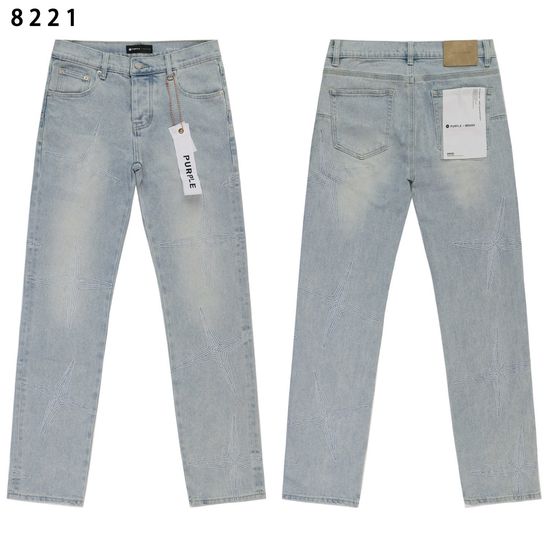
Men Distressed Ripped Skinny Jeans Purple Brand Embroidery Patchwork Denim Pants
US$24.00-26.00
5 Pieces(MOQ)

Satisfies 1 requirement
Blue Embroidered Cross Pattern Mens Ripped Skinny Jeans Street Harajuku Style for Men and Women Y2K American Retro Hip Hop Style
US$15.00-40.00
1 Piece(MOQ)

Satisfies 1 requirement
Custom Distressed Enzyme Wash Stonewashed Streetwear Hip Hop Male Ripped Slim Fit Stacked Denim Men Skinny Jeans
US$15.00-40.00
1 Piece(MOQ)

Satisfies 1 requirement
Custom Vintage High Waist Ripped Distressed Raw Hem Women Skinny Jeans
US$8.40
300 Pieces(MOQ)

Satisfies 1 requirement
Custom Vibrant Curvy Triple Button Closure Ripped Raw Hem Women Skinny Jeans
US$10.90-15.90
50 Pieces(MOQ)

Satisfies 1 requirement
Custom Soft Cotton Denim Fabric Blue Washed Ripped Skinny Men Jeans
US$8.50
300 Pieces(MOQ)

Satisfies 1 requirement
Design Collision Ink Splash Blue Skinny Buttock Lift Women Jeans
US$13.30
300 Pieces(MOQ)

Satisfies 1 requirement
Dropshipp Factory Wholesale Customized Brand Logo High Quality Amiriy Distressed Patch Embroidered Stretch Skinny Jeans for Men AMR Jeans
US$8.22-20.55
10 Pieces(MOQ)

Satisfies 1 requirement
Straight Stretch Custom Fashionable High Quality Skinny Streetwear Designer Jeans
US$8.60-99.90
1 Piece(MOQ)

Satisfies 1 requirement
Embroidered Brand Straight Skinny Jeans Men Ksubies Supplier High Quality Tag Button Black Vintage Sashes Solid Denim MID Front
US$8.60-99.90
1 Piece(MOQ)


Satisfies 1 requirement
Four Colors 2020 Summer Fashion Button Skinny Sexy Jeans
US$6.80
200 Pieces(MOQ)

Satisfies 1 requirement
in Stock Retro Washed Skinny Men Street Style Rhinestone Jeans
US$28.88-32.88
2 Pieces(MOQ)

Satisfies 1 requirement
Ladies Jeans Manufacturer Wholesale Factory Natural Waist Skinny Fit Dark Wash Slub Denim Rhinestone Detail Vintage Faded Wholesale Export OEM ODM Custom Logo
US$5.99-15.99
30 Pieces(MOQ)

Satisfies 1 requirement
Custom Women's Jeans Wholesale Manufacturer Contoured Waist Skinny Fit Medium Wash Washed Denim Animal Print Reinforced Stitching Dropshipping Supply OEM ODM Cu
US$6.99-13.99
50 Pieces(MOQ)
Sourcing guidance for Skinny Jeans
What are the key material specifications to look for when sourcing high-quality skinny jeans?
For skinny jeans, the fabric composition is critical. You should prioritize a blend of 95-98% cotton for breathability and 2-5% elastane (Spandex/Lycra) to ensure shape retention and stretch recovery. High-quality denim should have a weight between 10oz to 12oz for a balance of durability and comfort. Additionally, verify the stretch recovery rate; premium denim should return to its original shape after stretching to prevent 'baggy knees' after wear.
Which compliance standards and certifications are necessary for international garment trade?
Buyers must ensure suppliers comply with OEKO-TEX® Standard 100, which guarantees the absence of harmful chemicals in textiles. For the US market, compliance with CPSIA (especially regarding lead content in buttons and zippers) is mandatory. For the EU, adherence to REACH regulations is required. If you are marketing 'eco-friendly' jeans, look for GOTS (Global Organic Textile Standard) or GRS (Global Recycled Standard) certifications.
How can I evaluate the construction quality and workmanship of skinny jeans?
Focus on the stitching density, which should be at least 8-10 stitches per inch for structural integrity. Inspect the flat-felled seams or overlock stitching on the interior to ensure there are no loose threads. The zipper should be a reputable brand like YKK to prevent snagging. Furthermore, check the bar-tack reinforcement at stress points like pocket corners and belt loops to ensure longevity under tension.
What washing and finishing technologies are currently trending and sustainable?
Modern sourcing favors Laser Finishing and Ozone Washing, which significantly reduce water and chemical consumption compared to traditional stone washing. Ask suppliers if they use waterless dyeing techniques or eco-friendly enzymes. These technologies not only appeal to conscious consumers but also ensure colorfastness (Grade 4 or higher) and a softer hand-feel without compromising the fabric's strength.
Cross-Border Procurement & Risk Management for Apparel
How can I mitigate the risk of size discrepancies in international orders?
Size standards vary significantly between Asian, US, and EU markets. You must provide a detailed Tech Pack with a specific size chart in centimeters. Request a Pre-Production Sample (PPS) and perform a physical measurement check against your spec sheet. Never rely on generic terms like 'Size M' without verified measurements, as this is the leading cause of returns in cross-border e-commerce.
What are the best strategies for negotiating with denim suppliers on Made-in-China.com?
Start by requesting a tiered pricing structure based on volume (e.g., 500, 1000, and 5000 units). Negotiate based on Total Cost of Ownership (TCO), including packaging and labeling. For long-term partnerships, discuss flexible MOQs for new colorways. Always use the Audit Reports available on Made-in-China.com to verify the supplier's production capacity and export experience before finalizing price terms.
What transaction security measures should be taken for large-scale garment orders?
Utilize Secured Payment services provided by the platform to ensure funds are only released upon proof of shipment. For large orders, implement a 30/70 payment term (30% deposit, 70% balance after passing a Third-Party Inspection like SGS or Intertek). Ensure the Bill of Lading (B/L) and Commercial Invoice descriptions match your purchase order exactly to avoid customs delays.
How should I handle shipping and logistics to optimize costs for denim products?
Denim is heavy; therefore, Sea Freight (LCL or FCL) is the most economical for bulk orders. To reduce volume and costs, request vacuum packaging or high-compression folding. Ensure the supplier provides a Certificate of Origin to potentially benefit from Preferential Tariff Rates under specific trade agreements between China and your destination country.