
Satisfies 1 requirement
Rdp Powder Redispersible Polymer Hebei Vae Price Latex Adhesive Rdp Powder for Tile Adhesive
US$1.20-2.50
5,000 kg(MOQ)

I have found results from10000+products and4000+suppliers aboutRedispersible polymer powder


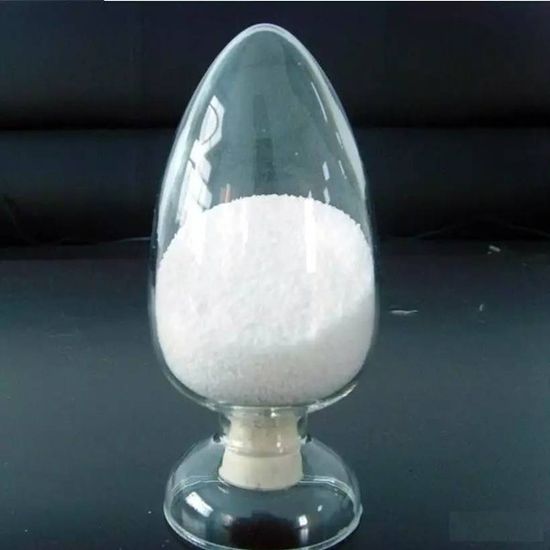


Selecting the correct RDP requires matching the polymer base (typically VAC/E) with the specific application. For tile adhesives, prioritize high tensile adhesion strength and flexibility. For self-leveling compounds, focus on low-viscosity grades that improve flow and surface smoothness. Always verify the glass transition temperature (Tg); a lower Tg provides better flexibility at low temperatures, while a higher Tg offers better mechanical strength.
Buyers must request a technical data sheet (TDS) to confirm: Ash content (standard is ≤12%±2%), which indicates the purity of the powder; Bulk density (400-600 g/l); and Particle size (max 10% > 400μm). Additionally, check the minimum film-forming temperature (MFFT) to ensure the product performs correctly in your local climate conditions.
Request a COA (Certificate of Analysis) for every batch. Conduct a re-dispersion test by mixing the powder in water (1:1 ratio); a high-quality RDP should form a stable emulsion without lumps. For long-term reliability, ensure the supplier uses high-quality Polyvinyl Alcohol (PVA) as a protective colloid to prevent caking during storage.
Ensure the product is REACH compliant if exporting to the EU. For indoor applications, verify low VOC (Volatile Organic Compound) emissions to meet green building certifications like LEED or Blue Angel. Suppliers should also provide a Material Safety Data Sheet (MSDS) to guide safe handling and storage.
The biggest risk is moisture absorption and caking during sea transit. Ensure the supplier uses moisture-proof packaging (typically 25kg paper-plastic composite bags with a PE inner liner) and utilizes shrink-wrapped pallets. Another risk is adulteration with heavy calcium carbonate to lower costs; always perform a burn test (ash content analysis) to verify purity.
Focus on volume-based pricing tiers; RDP is a commodity where a 5-ton vs. 20-ton (Full Container Load) order can result in a 10-15% price difference. Negotiate for free samples (1-2kg) for lab testing before committing to a bulk purchase. Ask for OEM packaging if you intend to rebrand the product for local distribution.
RDP is classified as non-hazardous for transport, but it is heat-sensitive. Request that containers be stored below deck or away from heat sources to prevent the powder from softening and clumping. In your warehouse, maintain a cool, dry environment and follow the First-In-First-Out (FIFO) inventory method, as the shelf life is typically 6-12 months.
Use Secured Trading services on Made-in-China.com to protect your payment until shipping documents are verified. For first-time large orders, hire a third-party inspection agency (like SGS or Intertek) to perform a pre-shipment inspection (PSI) to verify the quantity and quality of the bags before the container is sealed.