
Satisfies 1 requirement
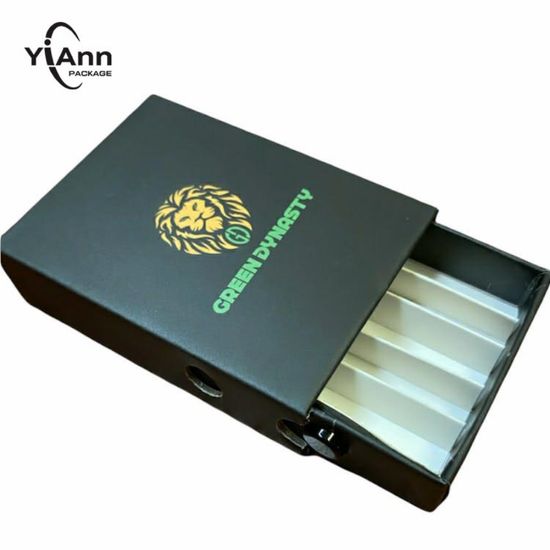
Custom Printed Jewelry Box Personalized Logo Packaging Drawer Cardboard Box and Microfiber Jewelry Pouch Bag
US$0.34-1.60
20 Pieces(MOQ)

I have found results from200000+products and90000+suppliers aboutPersonalized packaging boxes




When selecting materials, prioritize GSM (Grams per Square Meter) to ensure structural integrity. For corrugated boxes, E-flute or B-flute is ideal for retail, while double-wall corrugated is necessary for heavy shipping. For luxury rigid boxes, ensure a greyboard thickness of at least 1200gsm to prevent warping. Always verify if the paper is FSC-certified to meet global sustainability standards.
Offset printing is the gold standard for high-volume orders (1,000+ units) due to its superior color accuracy and lower unit cost. For small batches or complex variable data, Digital printing is more economical as it eliminates plate costs. If your brand requires specific metallic or vibrant colors, ensure the supplier supports Pantone (PMS) matching rather than just CMYK to maintain brand consistency.
To improve the unboxing experience, consider finishes like Matte/Gloss lamination for moisture resistance, Spot UV for highlighting logos, and Foil Stamping for a premium feel. Functional additions such as custom foam or paper inserts are critical for product protection during transit. Ensure the die-cut precision has a variance of less than 0.5mm to guarantee easy assembly.
For food-grade packaging, suppliers must provide FDA or EU 10/2011 compliance certificates. If shipping to the US, ensure materials comply with TPCH (Toxics in Packaging Clearinghouse) regarding heavy metal content. For electronic packaging, anti-static coatings may be required. Always request a heavy metal migration test report if the packaging is intended for children's products.
Always mandate a physical pre-production sample (PPS) before full-scale manufacturing; digital mockups often fail to represent true colors. Utilize Made-in-China.com's Secured Trading services to ensure payment is only released after quality verification. Additionally, request a video assembly test to confirm the box dimensions and folding mechanisms work perfectly with your product.
Packaging costs are highly sensitive to volume and plate charges. Negotiate for waived tooling/die-cut fees on repeat orders or orders exceeding 2,000 units. To reduce shipping costs—which can often exceed the product value—ask the supplier to provide flat-packed shipping volumes and compare FOB vs. DDP terms to see if their logistics partners offer better rates than your own.
Paper products are bulky; Sea Freight (LCL or FCL) is the only economically viable option for large orders. Ensure the supplier uses heavy-duty outer cartons and palletization with plastic wrap to prevent moisture absorption during sea transit. Verify the HS Code (usually 481910) with your customs broker to confirm import duties and check if your country imposes anti-dumping duties on paper products from specific regions.
Conduct due diligence by checking the supplier's Audit Reports and Business Licenses on Made-in-China.com. Prioritize Diamond or Gold Members who have undergone third-party on-site inspections by agencies like SGS or Bureau Veritas. Use Escrow-based payment systems to protect your funds until the Bill of Lading (B/L) is provided and the quality is confirmed.