
Satisfies 1 requirement
New Multifunctional Garden Pillar Solar Lamp Flame Emitting Diode Adopts Solar Lawn Outdoor LED Solar Light
US$4.20-6.80
10 Pieces(MOQ)

I have found results from7000+products and2000+suppliers aboutOutdoor solar pillar light

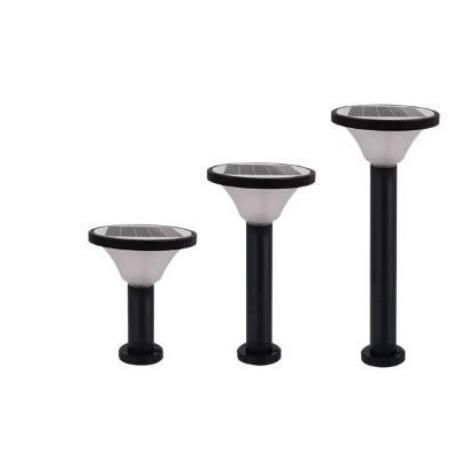


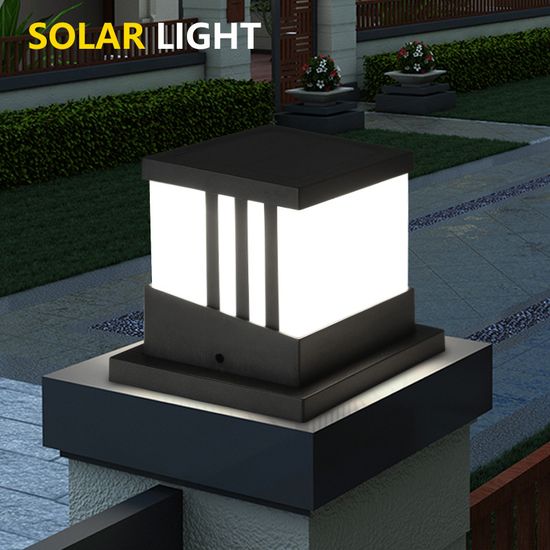


When sourcing solar pillar lights, prioritize Monocrystalline Silicon solar panels as they offer a higher conversion efficiency (up to 22%) compared to polycrystalline options. Ensure the battery is a Lithium Iron Phosphate (LiFePO4) type, which provides a longer lifespan (2000+ cycles) and better thermal stability. The Luminous Efficacy should be at least 100-120 lm/W to ensure bright illumination without excessive battery drain.
For outdoor pillar lights, an IP65 or IP66 rating is essential to guarantee protection against heavy rain and dust. The housing material should be Die-cast Aluminum with an anti-UV powder coating or 304/316 Stainless Steel to prevent corrosion and salt-spray damage, especially in coastal regions. Verify that the transparent cover is made of tempered glass or high-grade PC (Polycarbonate) to prevent yellowing and cracking over time.
To ensure market entry and safety, products must carry CE, RoHS, and FCC certifications. For the North American market, UL or ETL listing is highly recommended for the internal electronic components. Additionally, check for UN38.3 and MSDS reports for the lithium batteries to ensure they meet international air and sea freight safety regulations.
Modern solar pillar lights should feature Intelligent Power Management (IPM), which automatically adjusts brightness based on battery levels to ensure the light stays on even during consecutive rainy days. Look for features like PIR Motion Sensors, Dusk-to-Dawn Photocell sensors, and Remote Control capabilities for adjusting color temperature (CCT) between 3000K (warm) and 6000K (cool white).
The most common risk is capacity fraud regarding batteries and solar panels. Some suppliers may use recycled cells or lower-wattage panels than advertised. To mitigate this, request a Third-Party Inspection (such as V-Trust or SGS) to perform a 'Full Charge/Discharge Test' and verify the actual Watt-peak (Wp) of the panels before final payment.
Solar pillar lights often contain glass and sensitive electronics. Negotiate for 5-layer corrugated export cartons with molded EPE foam inserts. Since these products contain batteries, they are classified as Class 9 Dangerous Goods; ensure your supplier provides a Dangerous Goods Declaration to avoid customs seizures or shipping delays. For large orders, sourcing via Made-in-China.com allows you to utilize secured payment services to protect your funds until shipping documents are verified.
Focus on the Total Cost of Ownership (TCO) rather than just the unit price. Ask for a tiered pricing structure (e.g., 100, 500, 1000 units) and negotiate for spare parts (1-2% extra LED drivers or sensors) to be included free of charge. If you are a repeat buyer, request Net-30 or Net-60 payment terms after establishing a successful history through a secure platform like Made-in-China.com.
Provide the supplier with the average Peak Sun Hours (PSH) of your target region. A light designed for a tropical climate may fail in northern latitudes due to insufficient charging. Demand a Lighting Simulation Report (Dialux) to confirm that the light distribution and battery autonomy (number of backup days) meet the local environmental requirements.