
Satisfies 1 requirement
Wholesale Gold Jewelry Factory Replica Offering Luxury Styles at Best Prices
US$15.99
1 Piece(MOQ)

I have found results from100000+products and30000+suppliers aboutJewelry factory


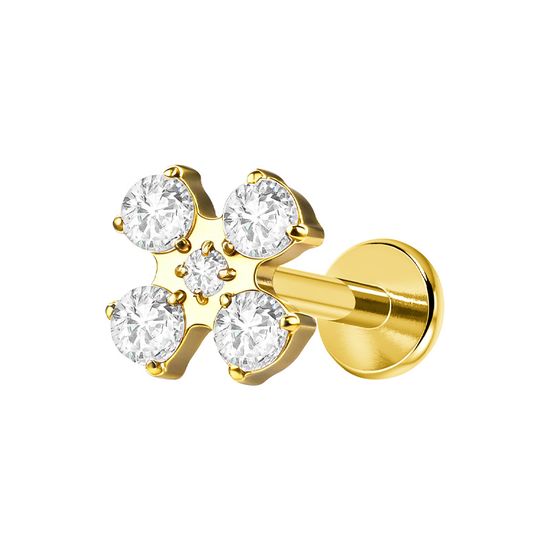


When selecting a jewelry factory, you must prioritize material purity and plating quality. Ensure the factory can provide SGS or Intertek certifications for metal content (e.g., 925 Sterling Silver, 14K/18K Gold). For plating, specify the micron thickness (e.g., 0.5 to 2.5 microns for gold vermeil) and the use of e-coating to prevent tarnishing. Additionally, verify their CAD/CAM capabilities for precision molding and 3D printing services for rapid prototyping.
Compliance is critical in the jewelry industry to avoid legal issues. Ensure the factory adheres to REACH (EU) and CPSIA (US) regulations, specifically regarding lead, nickel, and cadmium content. Request Material Safety Data Sheets (MSDS) for any chemicals used in the finishing process. If you are sourcing sustainable products, look for factories with RJC (Responsible Jewellery Council) certification or those using recycled metals.
A top-tier factory should implement a four-stage QC process: Incoming Quality Control (IQC) for raw stones and metals, In-Process Quality Control (IPQC) during casting and polishing, Final Quality Control (FQC) for stone setting and plating integrity, and Outgoing Quality Assurance (OQA) for packaging. Ask for a stone-drop test report and salt spray testing results to ensure durability and corrosion resistance.
Professional factories offer extensive OEM/ODM services, including custom logo engraving (laser or stamped), bespoke packaging (boxes, pouches, and tags), and exclusive mold creation. Most high-end manufacturers on Made-in-China.com can transform a 2D sketch into a 3D model within 3-5 days, allowing for rapid iteration before mass production.
The primary risks include material substitution (e.g., copper instead of silver) and inferior plating. To mitigate these, use Trade Assurance services and hire third-party inspection agencies to conduct random sampling before final payment. Always request a pre-production sample (PPS) and keep it as a 'golden sample' for comparison with the bulk shipment.
Jewelry pricing is often tied to real-time commodity market prices (Gold/Silver spot prices). Negotiate a labor cost per piece plus the current market rate for metals. For Minimum Order Quantities (MOQ), many factories offer flexibility—starting at 30-50 pieces per design for silver, while brass/alloy items may require 120-300 pieces. Volume discounts of 10-20% are common when orders exceed 1,000 units.
For high-value shipments, always use express couriers like FedEx, DHL, or UPS with full insurance coverage. Ensure the commercial invoice uses the correct HS Code (e.g., 7117.19 for imitation jewelry or 7113.11 for silver jewelry) to avoid customs delays. For large volumes, consider consolidated air freight to balance cost and speed.
Look for the 'Audited Supplier' badge, which indicates the factory has been verified by independent bodies like SGS, Bureau Veritas, or TÜV Rheinland. Review their Audit Reports to check their production capacity, floor space, and number of skilled craftsmen. Prioritize suppliers with a high 'Diamond' star rating and a history of serving international brands.