
Satisfies 1 requirement
Hyaron Skin Booster Injection Kiara Reju Sodium Hyaluronate
US$64.00-68.00
1 box(MOQ)

I have found results from30000+products and9000+suppliers aboutInjection sodium hyaluronate price


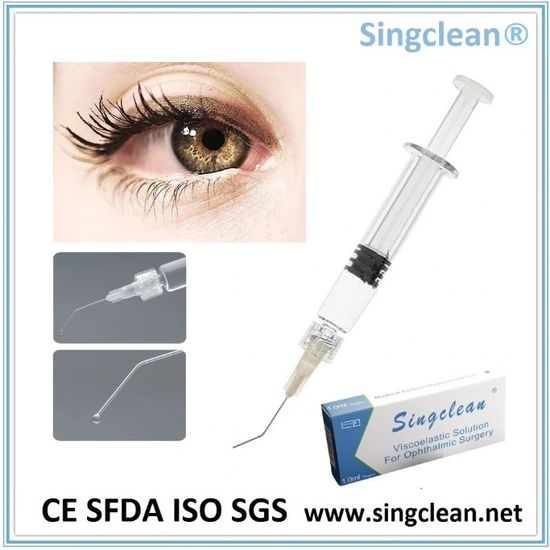


The price is primarily driven by concentration (typically 20-25mg/ml), cross-linking technology (BDDE levels), and particle size. High-quality injections must use bacterial fermentation rather than animal-derived sources to ensure purity. Buyers should verify the G' (Elastic Modulus) which determines the lifting capacity and longevity of the filler, as well as the residual BDDE content, which must be less than 2 ppm to ensure patient safety and minimize swelling.
As a Class III medical device, the product must adhere to strict regulatory frameworks. Ensure the supplier holds ISO 13485 (Medical Devices Quality Management) and CE Marking (specifically MDD 93/42/EEC or MDR 2017/745) for the European market. For the US market, FDA approval is mandatory. Additionally, a Certificate of Analysis (COA) and Material Safety Data Sheet (MSDS) should be provided for every batch to confirm sterility and endotoxin levels.
Injection Sodium Hyaluronate is categorized by its intended use: Fine Lines (Dermis), Derm (Middle Dermis), and Deep (Deep Dermis/Subcutaneous). Products for deep tissue contouring (e.g., breast or buttock augmentation) require larger particle sizes and higher viscosity, which often results in a higher price per ml compared to fine-line fillers used for perioral wrinkles. Buyers should match the rheological properties of the gel to the specific clinical application.
Look for suppliers utilizing automated aseptic filling lines and terminal sterilization (autoclaving) to guarantee a Sterility Assurance Level (SAL) of 10^-6. The use of high-purity HA raw materials with low protein and nucleic acid content is essential to prevent delayed hypersensitivity reactions. Professional manufacturers on Made-in-China.com often provide stability testing data covering at least 24 months of shelf life.
Always request traceability codes and verify the supplier's Medical Device Production License. Conduct a factory audit or hire a third-party inspector (like SGS or Intertek) to verify the Cleanroom (Class 100/Grade A) conditions. Avoid prices that are significantly lower than the market average, as these often indicate non-cross-linked HA or industrial-grade materials being sold as medical-grade.
Sodium Hyaluronate is temperature-sensitive. It must be shipped via Cold Chain Logistics if the ambient temperature exceeds 30°C, though most stable cross-linked gels can be transported at 2-25°C. Ensure the packaging includes shock-absorbent materials and that the outer carton is marked as Fragile Medical Supplies. For international shipping, clarify the HS Code (usually 391390 or 300490) to avoid customs delays.
Focus on long-term volume commitments rather than one-off purchases to secure 'VIP' pricing. Negotiate for OEM/Private Label services, which are often cost-effective for large distributors. Ask for tiered pricing based on annual volume and request that the supplier includes a percentage of replacement units for any products damaged during transit or those with packaging defects.
Use Secured Payment terms and ensure all contracts specify the jurisdiction for dispute resolution. Before importing, consult with a local regulatory consultant to ensure the product labeling (including language, ingredients, and storage instructions) complies with your country's Ministry of Health requirements. Verify that the supplier can provide Free Sale Certificates (FSC) to facilitate local registration.