
Satisfies 1 requirement
18L Semisynthesis Shock-Absorption Antioxidative Hydraulic Transmission Oil
US$33.90-34.30
300 Pail(MOQ)

I have found results from200000+products and80000+suppliers aboutHydraulic transmission oil


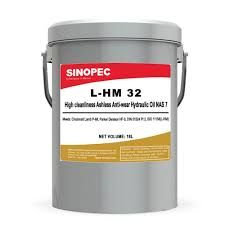


Buyers must prioritize Viscosity Grade (VG), typically ranging from ISO VG 32 to 68, to ensure compatibility with the operating temperature of the machinery. It is essential to verify the Viscosity Index (VI); a higher VI (above 95) indicates better stability across temperature fluctuations. Additionally, check for anti-wear (AW) additives, oxidation stability, and foam resistance to prevent component cavitation and extend the service life of pumps and valves.
Ensure the product adheres to global benchmarks such as ISO 11158, DIN 51524 (Parts 1, 2, and 3), and ASTM D6158. For mobile equipment, compliance with manufacturer-specific standards like Parker Hannifin (Denison) HF-0, Eaton E-FDGN-TB002-E, or Cincinnati Machine P-68/69/70 is critical to maintain equipment warranties and ensure operational safety.
For high-pressure systems, oils with robust shear stability are required. In environmentally sensitive areas (e.g., agriculture or marine), biodegradable hydraulic fluids (HEES/HETG) are mandatory. If the machinery operates near heat sources, fire-resistant hydraulic fluids (HFD-U or HFC) should be selected to mitigate fire risks. Always match the oil's pour point to the lowest expected ambient temperature to ensure cold-start fluidity.
Request a Certificate of Analysis (COA) and look for low Total Acid Number (TAN), which indicates freshness. The Copper Strip Corrosion test (ASTM D130) should ideally result in a 1a or 1b rating. Furthermore, verify the air release properties and demulsibility (water separation ability), as these prevent sludge formation and maintain hydraulic pressure consistency.
Hydraulic oil is generally classified as non-hazardous for transport, but you must obtain a Material Safety Data Sheet (MSDS) and a Certification for Safe Transport of Chemical Goods. Ensure the supplier uses UN-approved packaging, such as 200L steel drums or IBC tanks, to prevent leakage during sea freight. For large volumes, Flexitanks in 20ft containers can significantly reduce shipping costs.
Utilize secure payment methods and prioritize suppliers on Made-in-China.com who offer Audit Reports and Gold Member status. Conduct third-party pre-shipment inspections (e.g., SGS or Intertek) to verify the batch quality and volume. It is highly recommended to use Trade Terms like CIF or CFR only if you have clear insurance coverage; otherwise, FOB allows you better control over the logistics chain and costs.
Negotiations should be based on base oil market price indexes (such as ICIS). Request tiered pricing based on volume—orders exceeding 20 tons (one full container) typically qualify for a 10-15% discount. Discuss long-term supply contracts to hedge against price volatility in the petroleum market, and negotiate for customized labeling (OEM) if you are a distributor.
Check the HS Code (typically 271019) for your specific country to determine import duties and VAT. Be aware of anti-dumping duties that may apply to lubricants in certain regions. Ensure all documentation, including the Commercial Invoice, Packing List, and Certificate of Origin, accurately reflects the chemical composition to avoid customs delays or seizures.