
Satisfies 1 requirement
Heat Resistant Seamless Steel Pipe Metallurgical Smelting
US$500.00-600.00
1 Ton(MOQ)

I have found results from200000+products and100000+suppliers aboutHeat resistant steel pipe


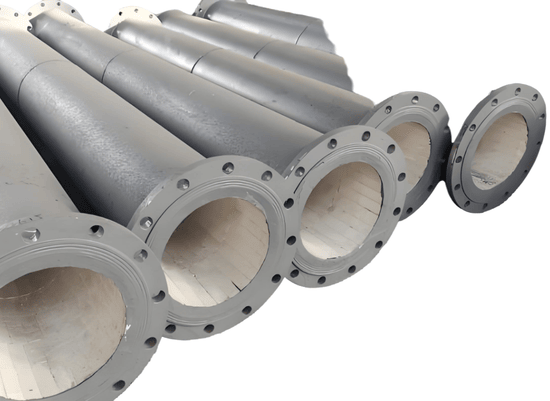


When sourcing heat resistant steel pipes, you must prioritize grades that maintain mechanical properties at elevated temperatures. Common grades include ASTM A335 (P5, P9, P11, P22, P91) for high-pressure service and AISI 310S or 309S for high-temperature oxidation resistance. Ensure the pipes meet ASTM, ASME, or EN standards. Key specifications include creep strength, oxidation resistance up to 1200°C, and thermal fatigue resistance. Always verify the chemical composition (Cr, Ni, Mo content) via a Mill Test Certificate (MTC) to ensure the alloy meets your specific environment's needs.
Quality verification should involve Non-Destructive Testing (NDT) such as Ultrasonic Testing (UT), Radiographic Testing (RT), and Hydrostatic Testing to ensure there are no internal defects or leaks. For compliance, look for suppliers on Made-in-China.com who hold ISO 9001:2015 and PED (Pressure Equipment Directive) 2014/68/EU certifications. It is highly recommended to request a Third-Party Inspection (TPI) from agencies like SGS or BV to witness the production and testing phases before shipment.
Heat resistant steel pipes are primarily used in power plant boilers, petrochemical cracking furnaces, heat exchangers, and exhaust systems. The functional requirement is to prevent deformation (creep) and scaling under continuous high-temperature stress. For corrosive environments, such as those involving sulfur or chlorides, you must select pipes with higher Chromium and Nickel content to prevent premature failure and ensure a service life of at least 10-20 years under standard operating conditions.
The primary risks include material substitution (using lower-grade alloys), weight discrepancies, and surface corrosion during sea transit. To mitigate these, use Trade Assurance services on Made-in-China.com to protect your payment. Ensure the contract specifies seaworthy packaging, including anti-rust oil coating and plastic end caps, and require the supplier to provide a pre-shipment weight bridge scale report.
Steel prices are volatile; therefore, you should negotiate based on current raw material indices (LME or SHFE). For bulk orders, aim for a 10-15% discount compared to spot prices. Clearly define the lead time (typically 30-60 days for custom alloys) and include a penalty clause for late delivery in the Proforma Invoice. Requesting a staggered payment schedule (e.g., 30% deposit, 70% against BL copy) is a standard strategy to maintain leverage.
Check for Anti-Dumping Duties (ADD) or Countervailing Duties (CVD) in your specific country regarding Chinese steel imports, as these can significantly impact the Total Cost of Ownership (TCO). For shipping, Breakbulk is often more cost-effective for large quantities, while 40ft containers are standard for smaller batches. Ensure the supplier provides a Certificate of Origin (CO) to help you benefit from any applicable Free Trade Agreements (FTAs) and reduce import tariffs.