
Satisfies 1 requirement
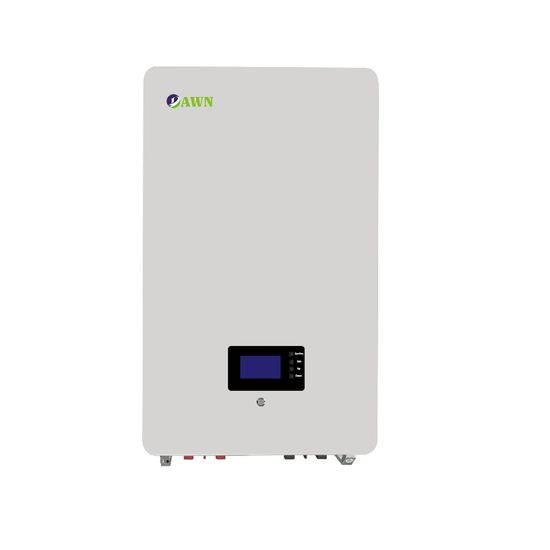
Premium 76 8V 150ah Green Energy Storage Battery for Electric Vehicles
US$980.00
20 Pieces(MOQ)

I have found results from200000+products and50000+suppliers aboutGreen energy battery price




When assessing price, you must look beyond the initial cost and evaluate Cycle Life (typically 3,000 to 6,000+ cycles), Depth of Discharge (DoD), and Energy Density. A lower-priced battery with a shorter cycle life often results in a higher Levelized Cost of Storage (LCOS). Ensure the battery uses Grade A LiFePO4 (Lithium Iron Phosphate) cells for safety and longevity, and verify the Battery Management System (BMS) capabilities, including overcharge, over-discharge, and thermal protection.
Compliance is a major cost driver. Ensure the products meet UN38.3 (for safe transport), IEC 62619 (safety requirements for industrial lithium batteries), and UL 1973 or UL 9540 for North American markets. For the European market, CE marking and RoHS compliance are mandatory. Batteries lacking these certifications may be cheaper but pose significant legal risks and safety hazards during customs clearance and operation.
For Residential ESS (Energy Storage Systems), focus on aesthetic design, noise levels (<25dB), and plug-and-play compatibility with popular inverters. For Industrial/Commercial use, prioritize scalability (parallel connection capacity) and C-rate performance (charge/discharge speed). Industrial units often offer a lower price-per-kWh due to economies of scale but require more rigorous on-site installation support and thermal management systems.
The BMS is the 'brain' of the battery. High-value batteries feature Smart BMS with Bluetooth or RS485/CAN communication protocols, allowing for real-time monitoring via mobile apps or integration with Smart Grid technologies. A robust BMS ensures cell balancing, which extends the battery's lifespan by up to 20-30%, justifying a higher upfront purchase price.
Batteries are classified as Class 9 Dangerous Goods. You must ensure the supplier provides a Material Safety Data Sheet (MSDS) and a Dangerous Goods Declaration. Shipping costs are higher than general cargo, so it is recommended to use Sea Freight (FCL or LCL) for bulk orders to optimize the landed cost. Always confirm if the supplier has experience with UN-certified packaging to avoid port rejection.
This is a common risk in low-price offers. To mitigate this, request a Cell Capacity Test Report and a Factory Inspection Video. Use third-party inspection services like SGS or Intertek to verify the internal components before final payment. On Made-in-China.com, prioritize Audited Suppliers who have undergone comprehensive on-site verification of their manufacturing facilities.
Negotiate based on Total Energy Throughput rather than just the unit price. Ask for tiered pricing based on annual volume commitments. Additionally, negotiate for spare parts (1-2% extra BMS boards or cables) to be included in the shipment, which is often more cost-effective for the supplier than offering a direct cash discount but highly valuable for your after-sales maintenance.
Given the high value of energy storage systems, utilize Secured Payment services provided by platforms like Made-in-China.com to ensure funds are only released upon proof of shipment. Avoid direct wire transfers to unknown accounts. Ensure the Warranty Terms are clearly defined in the contract, specifically mentioning the capacity retention rate (e.g., 80% capacity after 10 years).