
Satisfies 1 requirement
Free Samples 1p/2p/3p/4p 32A 40A 63A RCBO RCCB MCB Miniature Circuit Breaker with RCD GFCI Breaker
US$1.00-2.00
10 Pieces(MOQ)

I have found results from2000+products and600+suppliers aboutGfci circuit breaker
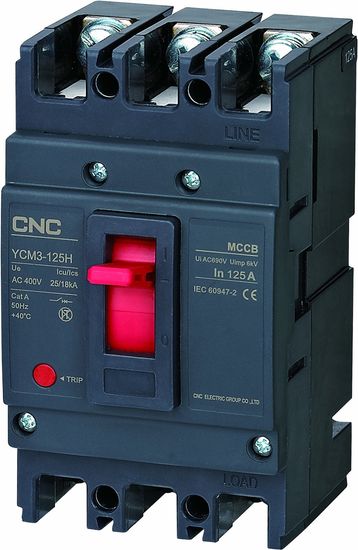


When sourcing GFCI (Ground Fault Circuit Interrupter) breakers, compliance is the most critical factor for safety and legal entry. For the North American market, products must be UL 943 (for GFCI) and UL 489 (for Molded-Case Circuit Breakers) certified. For European and other international markets, look for IEC 61008-1 or EN 61008-1 standards. Ensure the supplier provides a valid UL File Number or CE Declaration of Conformity that can be verified on official databases.
Selection depends on the electrical load and environment. For residential bathrooms and kitchens, a 5mA trip level (Class A GFCI) is standard for personnel protection. For industrial equipment where equipment protection is the priority, a 30mA trip level (GFCI/ELCB) may be required. You must also match the Interrupting Capacity (AIC rating), typically 10kA for residential and 22kA or higher for commercial/industrial panels, to ensure the breaker can safely handle a short circuit.
Prioritize breakers with Self-Test Functionality (Auto-Monitoring), which is now a requirement under UL 943 to ensure the GFCI is always operational. Additionally, look for End-of-Life indicators (usually a flashing LED) and superior surge immunity to prevent 'nuisance tripping' caused by lightning or electromagnetic interference. High-quality units use silver alloy contacts to prevent welding and ensure a long mechanical life of over 10,000 operations.
The housing must be made of high-strength, flame-retardant plastic (UL 94 V-0 rated) to prevent fire hazards. For outdoor or coastal installations, specify corrosion-resistant internal components and a wide operating temperature range, typically -35°C to +66°C. Request a RoHS compliance report to ensure the absence of hazardous substances like lead or cadmium.
Always perform factory audits or third-party inspections (such as SGS or Intertek) before shipment. Request the supplier to provide batch-specific test reports and verify that the UL/CSA/CE marks are embossed or permanently printed on the product housing, not just applied as a sticker. Sourcing through reputable platforms like Made-in-China.com allows you to filter for 'Audited Suppliers' who have undergone rigorous background and facility checks.
Focus on Total Cost of Ownership (TCO) rather than just the unit price. Negotiate for extended warranties (3-5 years) and ask for spare parts (0.5-1% of order volume) to be included at no cost. For bulk orders, aim for a 15-20% discount when moving from LCL (Less than Container Load) to FCL (Full Container Load) quantities, and always clarify the Incoterms (e.g., FOB or DDP) to avoid hidden logistics fees.
Circuit breakers are sensitive electrical instruments; ensure they are packed in anti-static, moisture-proof individual boxes within a reinforced master carton. For customs, ensure the HS Code (typically 8536.20) is correctly declared to avoid delays. If shipping to the US, be aware of Section 301 tariffs if the goods originate from China, and work with a freight forwarder experienced in Class 9 hazardous materials if the breakers contain specific chemical components (though rare for standard GFCIs).
Use secure payment methods such as Letters of Credit (L/C) for large volumes or Escrow-based payment services provided by professional B2B platforms. Never wire full payments to personal bank accounts. Ensure the Proforma Invoice (PI) clearly states the technical specifications, certification requirements, and lead times, as this document serves as your primary legal protection in case of a dispute.