
Satisfies 1 requirement
DV11/DV15 Engine Oil Cooler 65.05601-7081 Compatible with Doosan Develon Excavator
US$15.00
1 Piece(MOQ)

I have found results from20000+products and7000+suppliers aboutExcavator oil cooler

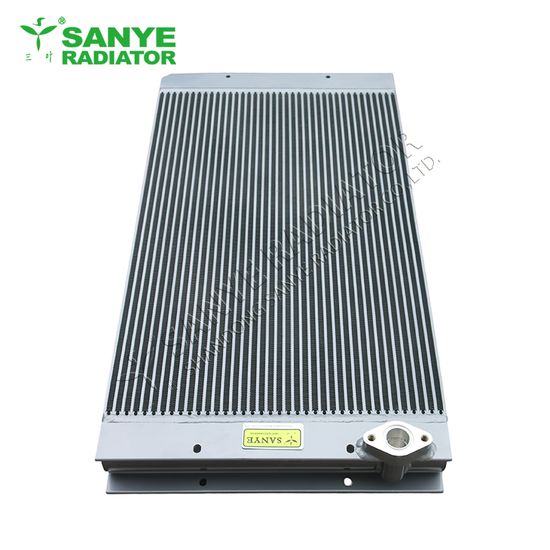


Selecting the correct oil cooler requires matching the heat dissipation capacity with the excavator's engine horsepower and hydraulic flow rate. You must verify the OEM part number to ensure 100% compatibility with mounting brackets and port sizes. For heavy-duty applications, prioritize aluminum plate-bar construction over tube-and-fin designs, as plate-bar structures offer superior pressure resistance (up to 20 bar) and better thermal efficiency in high-temperature environments.
Ensure the cooler is manufactured under ISO 9001 or IATF 16949 quality management systems. Key technical benchmarks include burst pressure testing (should exceed 3x operating pressure) and vacuum brazing technology to ensure leak-free joints. For excavators operating in corrosive environments (e.g., coastal or mining sites), specify anti-corrosion coatings or electrophoresis treatment to extend the service life of the cooling fins.
Request thermal cycle test reports and vibration resistance data from the supplier, as excavators are subject to intense mechanical stress. A high-quality oil cooler should withstand at least 100,000 pressure cycles without fatigue. Additionally, check the fin density; while higher density improves cooling, it may clog easily in dusty construction sites. A balance of 8-12 fins per inch is typically ideal for construction machinery.
Professional suppliers should provide a minimum 12-month warranty. Inquire about the availability of repair kits or replacement seals. For large-scale fleet owners, choose suppliers who offer technical drawings (CAD/PDF) and installation guides. Top-tier manufacturers on Made-in-China.com often provide video inspections of the pressure testing process before the goods are dispatched.
Oil coolers are fragile due to their thin aluminum fins. Insist on reinforced export packaging, such as individual plywood crates or heavy-duty double-wall cartons with custom foam inserts. Before final payment, hire a third-party inspection service to conduct a submersion leak test on a random sample from the batch to ensure structural integrity.
Focus negotiations on material grades (e.g., 3003 vs 6061 aluminum) and warranty terms rather than just the lowest price. For bulk orders, negotiate a progressive discount structure (e.g., 5-10% off for 50+ units). Requesting a sample for field testing is a standard industry practice; reputable suppliers will often credit the sample cost back to your first mass-production order.
Excavator oil coolers are relatively heavy and bulky. For cost-efficiency, LCL (Less than Container Load) sea freight is recommended for orders over 200kg. Ensure the supplier provides the correct HS Code (typically 841950 or 843149) to avoid customs delays and ensure compliance with regional import tariffs. If shipping to the US or EU, verify if anti-dumping duties apply to specific aluminum heat exchanger categories.
Always use secure payment methods such as Letters of Credit (L/C) for large volumes or Escrow-based trade assurance services provided by platforms like Made-in-China.com. This ensures that funds are only released once the Bill of Lading is confirmed and the quality meets the agreed-upon specifications.