
Satisfies 1 requirement
YY-037 Pure Copper Power Plug Connector American/European Standard for Audio Equipment Amplifiers/Speakers
US$4.70-5.00
1 Set(MOQ)

I have found results from100000+products and30000+suppliers aboutEuropean standard d plug


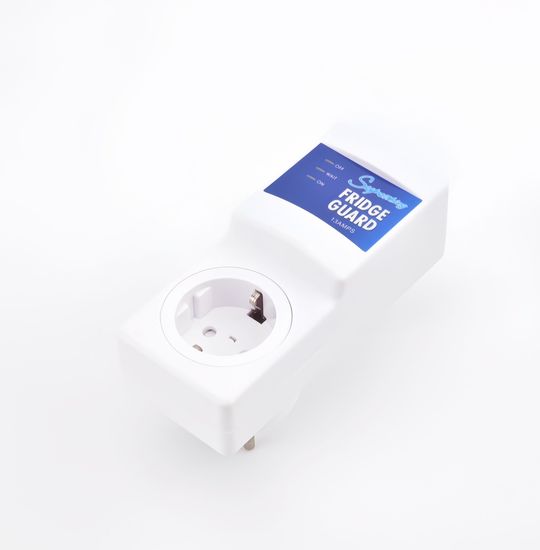


The European Standard D Plug (Type D) is primarily characterized by three large round pins in a triangular pattern, rated for 5 amps. When sourcing, ensure the product complies with BS 546 standards. It is crucial to verify the pin dimensions (5.1 mm diameter for the line/neutral pins and 7.1 mm for the earth pin) to ensure compatibility with older installations or specific regional sockets. For B2B buyers, prioritizing flame-retardant PC (polycarbonate) materials and high-conductivity brass pins is essential for long-term safety and performance.
Compliance is non-negotiable for electrical components. You must verify that the supplier holds CE marking for the European economic area and RoHS certification to ensure the absence of hazardous substances like lead or mercury. For specific markets like the UK or former British colonies where Type D is still in use, look for ASTA diamond marks or BSI Kitemark certifications. Always request third-party laboratory test reports (such as TUV or SGS) to validate insulation resistance and electric strength.
While Type D is often considered a 'legacy' plug, it remains vital for specialized industrial equipment, stage lighting, and hospital installations in specific regions (e.g., parts of India, Sri Lanka, and Africa). Buyers should specify if they require rewireable versions for maintenance flexibility or molded-on versions for maximum durability and moisture resistance. Ensure the cable strain relief is robust enough to handle frequent plugging and unplugging in high-traffic commercial environments.
To optimize costs, evaluate the Total Cost of Ownership (TCO), including unit price, shipping volume, and defect rates. Sourcing from Made-in-China.com allows access to manufacturers offering tiered pricing; for instance, orders exceeding 5,000 units can often reduce unit costs by 15-25%. Additionally, consider integrated power cord assemblies rather than just the plug heads to reduce assembly labor costs at your final destination.
The primary risks include substandard raw materials (e.g., using copper-clad aluminum instead of pure brass) and counterfeit certification marks. To mitigate this, use the Secured Trading services on Made-in-China.com and insist on a pre-shipment inspection (PSI). Ensure the contract specifies that the goods must match the approved gold sample in terms of weight, material density, and fire-rating.
Focus negotiations on transparency of the supply chain and quality consistency. Ask for a breakdown of the material costs (copper vs. plastic) to understand price fluctuations. Negotiate for a small trial MOQ (Minimum Order Quantity) to test market response before committing to a full container load. Professional buyers often secure better terms by offering long-term forecast visibility in exchange for fixed pricing over a 6-12 month period.
Plugs are heavy and dense, making them ideal for sea freight to minimize costs. Ensure the packaging uses double-walled corrugated cartons and pallets with moisture-proof shrink wrap to prevent oxidation of the metal pins during transit. For shipping to Europe or Africa, clarify the Incoterms (typically FOB or CIF) and ensure all HS Codes (typically 8536.69) are correctly declared to avoid customs delays or incorrect duty applications.
Always conduct transactions through verified channels. Utilize Audit Reports available on Made-in-China.com to vet the supplier's manufacturing capacity and legal status. For payments, use Letter of Credit (L/C) for large volumes or Escrow-based payment systems for smaller orders to ensure funds are only released upon proof of shipment and compliance with quality standards.