
Satisfies 1 requirement
Factory Price Aesthetic Home LFP Battery Series 10kwh Wall Mount Bess Solar Power Energy Storage System
US$514.10
1 Set(MOQ)

I have found results from300000+products and100000+suppliers aboutEnergy storage system price


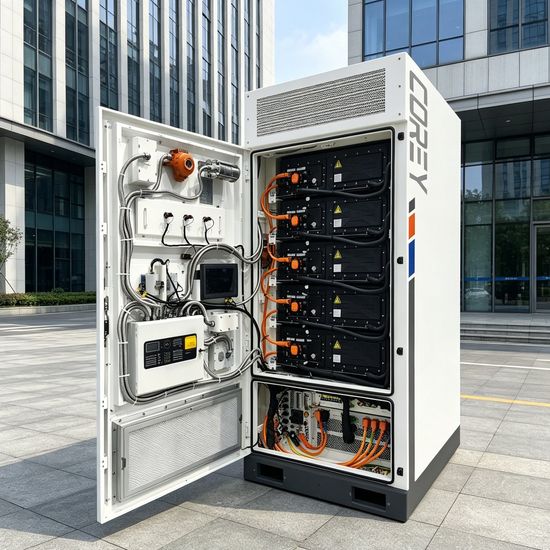


When comparing prices, you must look beyond the initial cost and evaluate the Battery Chemistry (LiFePO4 is the industry standard for safety and longevity), Cycle Life (look for ≥6000 cycles at 80% DOD), and Round-Trip Efficiency (should be >95%). A lower-priced system with a shorter cycle life will result in a higher Levelized Cost of Storage (LCOS) over time. Ensure the price includes a high-quality Battery Management System (BMS) that monitors voltage, temperature, and SOC to prevent thermal runaway.
Systems that meet international safety standards like UL 1973 (battery packs), UL 9540 (complete systems), IEC 62619, and UN38.3 (transportation) often command a premium price. These certifications are mandatory for customs clearance and insurance eligibility in markets like the US and EU. Purchasing non-certified units may be cheaper initially but carries significant legal and fire safety risks.
The Price per kWh typically decreases as the total capacity increases due to economies of scale in housing and BMS components. For B2B buyers, modular designs are highly recommended as they allow for scalable expansion, reducing the initial capital expenditure while providing the flexibility to increase storage capacity as energy demands grow.
The price of an ESS can vary significantly depending on whether it is an All-in-One system (integrated inverter) or a Battery-only expansion. Ensure the battery protocol is compatible with major inverter brands (e.g., Victron, Growatt, Deye) via CAN or RS485 communication. Incompatibility can lead to system failure or the need for expensive external controllers.
The most critical risk is Dangerous Goods (DG) logistics. ESS units contain lithium batteries, classified as Class 9 Hazardous Materials. You must ensure the supplier provides a Material Safety Data Sheet (MSDS) and a Dangerous Goods Certificate. Failure to use specialized DG shipping channels can lead to heavy fines, shipment seizure, or carrier rejection.
Focus on Total Cost of Ownership (TCO) rather than just the unit price. Negotiate for extended warranties (10 years is standard for Tier 1) and the inclusion of spare parts (BMS boards or fuses). For bulk orders, request tiered pricing and ask for OEM/ODM customization such as branding or specific connector types to add value to your local market.
Given the high value of ESS equipment, always use secure payment methods and consider third-party factory audits before production. Utilize the inspection services offered by platforms like Made-in-China.com to verify that the battery cells used are Grade A and brand new, as some low-cost suppliers may use recycled (Grade B) cells to lower prices.
Be aware of Anti-Dumping Duties (ADD) and specific Green Energy Subsidies in your country (e.g., the Inflation Reduction Act in the US). Choose the correct Incoterms; for large ESS containers, CIF or DDP is often preferred by buyers, but FOB gives you more control over the specialized hazardous cargo freight rates. Always confirm the HS Code (typically 8507.60) to calculate accurate import tariffs.