
Satisfies 1 requirement
Heavy-Duty Fuel Tanker for Safe Chemical Liquid Transport
US$15,000.00-26,000.00
1 Piece(MOQ)

I have found results from60000+products and30000+suppliers aboutChemical tanker


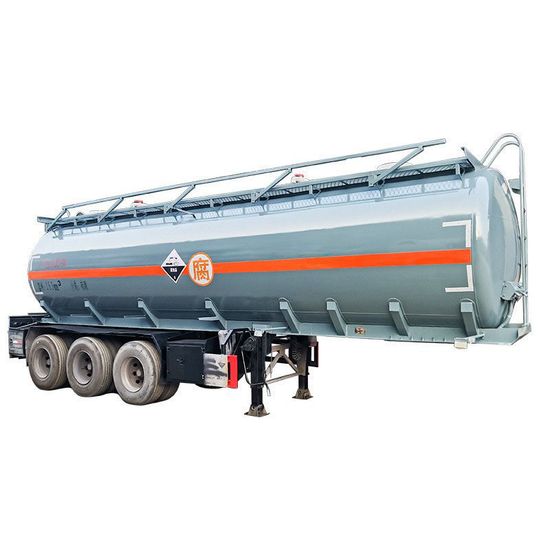


When sourcing chemical tankers, the choice of tank material is paramount to prevent corrosion and cargo contamination. You should prioritize 316L Stainless Steel for its superior resistance to a wide range of aggressive chemicals. For specific inorganic acids, Rubber-lined Carbon Steel or Specialized Polymer Coatings (such as Marineline) are essential. Ensure the supplier provides Material Mill Certificates to verify the grade and origin of the steel used in the hull and tanks.
Compliance is non-negotiable in maritime trade. The vessel must strictly adhere to the IMO (International Maritime Organization) IBC Code, which classifies tankers into Types 1, 2, and 3 based on the hazard level of the chemicals carried. Additionally, verify that the builder is certified by a recognized Classification Society (such as ABS, DNV, or LR) and that the vessel meets MARPOL Annex II regulations regarding the control of pollution by noxious liquid substances.
Focus on the Cargo Pumping System, preferably Deepwell Pumps, which allow for efficient stripping and minimize cargo remains. The Heating and Cooling Systems must be robust enough to maintain precise temperatures for sensitive chemicals. Furthermore, modern tankers should feature Integrated Automation Systems (IAS) for real-time monitoring of tank pressure, temperature, and gas levels to ensure both safety and operational transparency.
Request comprehensive Non-Destructive Testing (NDT) reports, specifically X-ray or Ultrasonic testing of weld seams. For chemical tankers, the Double-Hull design is a mandatory safety feature to prevent leaks during collisions. You should also evaluate the Inert Gas System (IGS), which is critical for maintaining a non-flammable atmosphere within the tanks during transit and discharge.
Given the high capital expenditure, use Stage-Based Payments tied to specific construction milestones (e.g., steel cutting, keel laying, launching). Always utilize Letters of Credit (L/C) or Bank Guarantees to ensure funds are only released upon verification of progress by a third-party surveyor. For sourcing reliable shipbuilders, platforms like Made-in-China.com offer verified supplier profiles and trade security services.
Negotiations should extend beyond the base price. Focus on securing a Comprehensive Warranty Period (typically 12-24 months) and a guaranteed Fuel Consumption Rate. Ensure the contract includes a Liquidated Damages clause for delays in delivery or failure to meet specified technical performance benchmarks (like speed or pumping capacity).
The most common method is 'Own Power' Delivery, where a professional crew sails the vessel from the shipyard to your destination port. Alternatively, for smaller tankers or barges, Heavy Lift Vessels (Dry Towage) can be used. Ensure the Incoterms (usually FOB or CIF) clearly define the point at which the risk of loss transfers and that Marine Hull & Machinery (H&M) Insurance is active before the maiden voyage.
Before finalizing the purchase, consult with a local maritime lawyer to ensure the vessel meets Flag State Requirements for registration. Check for Import Duties and Value Added Tax (VAT) exemptions that may apply to commercial vessels in your jurisdiction. Ensure all Technical Documentation and Blueprints are provided in English and are compatible with your local maritime authority's filing system.