
Satisfies 1 requirement
High Quality 2 Axles 3 Axles 4 Axles Skeleton Semi Trailer 20 FT 40 FT 45 FT Container Chassis Truck Trailers with 4/6/12 Twist Locks for Sale
US$5,000.00-6,000.00
1 SET(MOQ)

I have found results from200000+products and80000+suppliers aboutChassis trailer


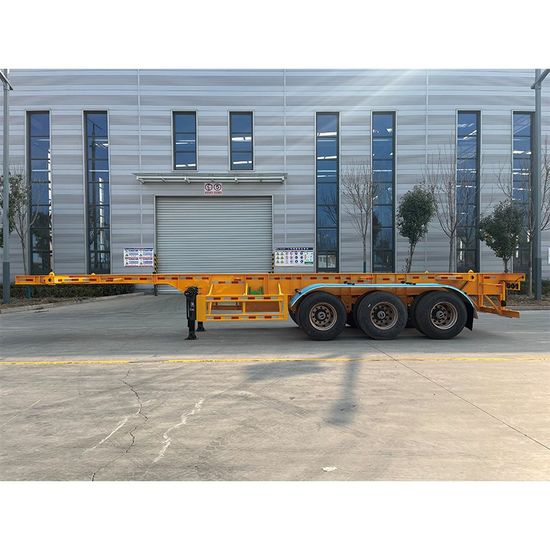


When sourcing a chassis trailer, the main beam material is critical; look for high-strength Q345B or T700 steel to ensure load-bearing capacity. Pay close attention to the axle brand and capacity (e.g., FUWA or BPW 13-16 ton axles) as they determine the trailer's durability. Additionally, verify the twist lock quality for container security and ensure the braking system utilizes WABCO relay valves for optimal safety during heavy-duty transport.
For cross-border procurement, compliance is non-negotiable. Ensure the manufacturer provides ISO 9001 certification and specific regional certifications such as DOT for the US market, CE for Europe, or ADR for hazardous material transport. Request welding quality reports and verify that the electrical system follows the 7-pin ISO standard to ensure compatibility with global tractor heads.
The design varies significantly based on the application. For intermodal port transport, a skeleton chassis is preferred for its lightweight efficiency. For long-haul logistics, a gooseneck design helps lower the center of gravity for better stability. If you are handling multiple container sizes, prioritize extendable or multi-functional chassis that can accommodate both 20ft and 40ft containers.
Since chassis trailers are often exposed to harsh maritime environments, the surface treatment is vital. Prioritize suppliers who use sandblasting (SA 2.5 standard) followed by zinc-rich epoxy priming and a polyurethane topcoat. For maximum longevity, inquire about hot-dip galvanizing options, which provide superior protection against salt spray and rust compared to standard painting.
To optimize freight costs, consider bulk carrier shipping where trailers are stacked (usually 3 units per stack) to reduce the volume. Alternatively, for long-distance ocean freight, choose SKD (Semi-Knocked Down) shipping in containers, which can significantly lower costs, provided you have the local assembly capability or a partner workshop at the destination.
Always utilize secure payment terms such as Letter of Credit (L/C) or trade assurance services provided by reputable platforms like Made-in-China.com. Before final payment, hire a third-party inspection agency (like SGS or BV) to conduct a Pre-Shipment Inspection (PSI) to verify that the dimensions, welding quality, and component brands match the proforma invoice.
When negotiating, focus on the Total Cost of Ownership (TCO) rather than just the unit price. Request spare parts packages (such as extra brake pads, lights, and air bags) to be included in the deal. For orders exceeding 10 units, negotiate for customized branding (OEM) and a warranty extension to 2 years on the main structural beams to protect your investment.
Confirm that the supplier provides detailed English-language maintenance manuals and video assembly guides. High-quality suppliers on Made-in-China.com often offer remote technical support via video call and have a clear policy for express-shipping replacement parts in the event of a component failure during the warranty period.