
Satisfies 1 requirement
Wholesale Factory Direct Sale Cast PVC Shrink Film Manufacturers
US$0.45-0.60
3,000 Meters(MOQ)

I have found results from80000+products and20000+suppliers aboutCast pvc film


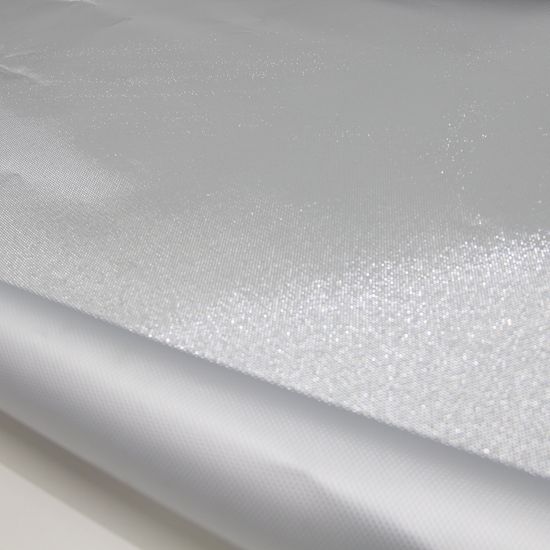


Cast PVC film is manufactured using a solvent-based liquid casting process, resulting in a film that is thinner (typically 2-3 mils), more flexible, and has no 'memory', meaning it will not shrink back to its original shape. In contrast, calendered film is made by rolling heated resin, which makes it thicker and prone to shrinkage. For B2B buyers, Cast PVC is the premium choice for complex curved surfaces like vehicle wraps, while calendered is better for flat, short-term signage.
Buyers must verify the UV resistance rating and the expected outdoor life, which for high-quality Cast PVC should be 7 to 10 years. Ensure the film uses high-grade polymeric plasticizers to prevent brittleness. Additionally, check the dimensional stability; top-tier cast films should have a shrinkage rate of less than 0.2mm after application.
For the EU market, products must be REACH and RoHS compliant to ensure they are free from hazardous substances like lead or cadmium. If the film is used for indoor wall coverings or public transport, it must meet fire retardancy standards such as EN 13501-1 or ASTM E84 Class A. Always request SGS or Intertek test reports to validate these claims.
Professional installers prefer films with air-release technology (micro-channels) to prevent bubbles during application. Furthermore, look for pressure-activated or repositionable adhesives that allow the film to be moved until firm pressure is applied. For long-term projects, specify whether you need permanent, removable, or high-tack adhesive based on the substrate material.
Always request a physical sample before placing a bulk order to test the 'conformity' and 'stretchability' of the film. Utilize third-party inspection services (like V-Trust or QIMA) to conduct a Pre-Shipment Inspection (PSI) focusing on color consistency (Delta E < 1.0), thickness uniformity, and adhesive peel strength. For secure transactions, use Made-in-China.com's Secured Trading Service to ensure payment is only released after proof of shipment.
Cast PVC is sensitive to temperature and pressure. Ensure the supplier uses vertical hanging packaging or sturdy core plugs to prevent 'flat spots' on the rolls. Specify climate-controlled shipping if passing through tropical zones, as temperatures above 35°C can cause adhesive migration or 'blocking' (layers sticking together). Upon arrival, store rolls upright in a cool, dry environment (20°C, 50% humidity).
Cast PVC production runs are complex; therefore, MOQs are often higher (e.g., 20-50 rolls) for custom colors. To lower costs, align your order with the manufacturer's standard master roll widths (usually 1.22m or 1.52m) to reduce trim waste. For long-term partnerships, negotiate a tiered pricing structure where the unit price drops by 5-10% as annual volume increases.
Ensure the supplier provides an accurate Commercial Invoice, Packing List, and Bill of Lading. The correct HS Code (typically 3920.43) must be used to avoid tariff misclassification. If your country has a Free Trade Agreement (FTA) with the supplier's country, request a Certificate of Origin (e.g., Form E or Form RCEP) to benefit from reduced or zero import duties.