
Satisfies 1 requirement
Utility Van/Box Type Container Tractor Truck Semi Trailer
US$12,000.00-15,000.00
1 set(MOQ)

I have found results from40000+products and10000+suppliers aboutBox utility trailer


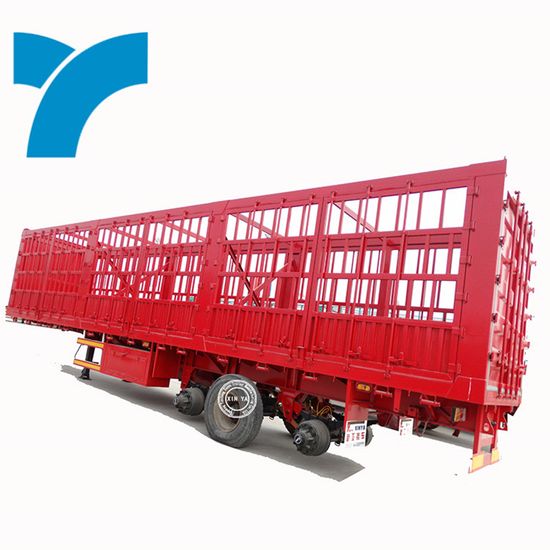


When evaluating a box utility trailer, focus on the Chassis Construction and Load Capacity. Ensure the frame is made of Hot-Dipped Galvanized Steel to prevent rust, especially for cross-border maritime transport. Check the Gross Vehicle Weight Rating (GVWR) to ensure it meets your hauling needs. Additionally, verify the Axle Type (torsion vs. spring) and ensure the Tire Rating is compatible with long-distance high-speed transit.
Compliance is critical for road legality. For the US market, trailers must meet DOT (Department of Transportation) standards and have a valid VIN (Vehicle Identification Number). For the EU, CE Marking and e-Mark certification for lighting and braking systems are required. Always request a Certificate of Conformity (CoC) from the supplier to facilitate customs clearance and local vehicle registration.
Examine the Panel Material; high-grade aluminum or reinforced composite panels offer a balance of weight and strength. Ensure the Locking Mechanism is heavy-duty and tamper-proof. For safety, check for LED lighting systems that are waterproof (IP67 rating) and the presence of Reflective Tapes that comply with international road safety visibility standards.
Professional suppliers on Made-in-China.com often offer OEM/ODM services. You should discuss Ramp Door vs. Barn Door configurations, internal Tie-down Points (E-track systems), and Braking System upgrades (electric vs. hydraulic). Customizing the Coupler Size (e.g., 2" or 50mm) to match your target market's towing standards is essential for market fit.
Focus on Volume-Based Pricing and Packaging Efficiency. Since trailers are bulky, ask the supplier if they can provide SKD (Semi-Knocked Down) kits to fit more units into a 40HQ container, which significantly reduces Ocean Freight Costs. Negotiate for a Spare Parts Kit (bearings, seals, lights) to be included in the initial bulk order to handle immediate after-sales needs.
Utilize Secure Payment Terms such as Letter of Credit (L/C) or escrow services provided by reputable platforms like Made-in-China.com. Always hire a Third-Party Inspection Agency (like SGS or Intertek) to conduct a Pre-Shipment Inspection (PSI). The inspection should specifically test Weld Integrity, Galvanization Thickness, and Electrical Circuit Continuity.
Choose the right Incoterms; FOB (Free On Board) is generally preferred for experienced buyers to control shipping lines. Ensure the supplier uses Heavy-Duty Strapping and Anti-Corrosion Spray for sea transit. For inland delivery to the final destination, confirm if the trailers are Stackable to minimize local trucking expenses.
Check for Anti-Dumping Duties (ADD) or specific Trade Tariffs on steel/aluminum products in your country. Consult with a Customs Broker to verify the correct HS Code (typically 8716.39) to ensure accurate duty calculation. Maintaining a strong relationship with verified gold-tier suppliers on Made-in-China.com can provide you with the necessary documentation to leverage Free Trade Agreements (FTA) where applicable.