
Satisfies 1 requirement
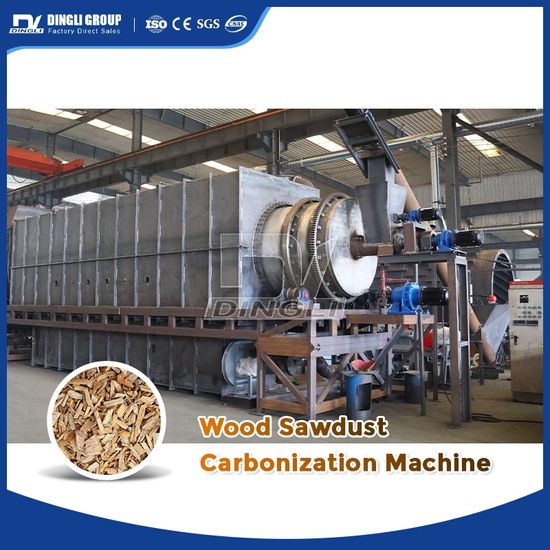
High Efficiency Smokeless Charcoal Carbonization Kiln Charcoal Making Machine Retort Furnace for Biomass Waste Wood Raw M
US$2,999.00
1 Piece(MOQ)

I have found results from1000+products and500+suppliers aboutBiochar fertilizer




When selecting a supplier, prioritize the Carbon Content, which should ideally be above 60% for high-quality soil amendment. Check the Cation Exchange Capacity (CEC), as a higher CEC indicates better nutrient retention. Additionally, verify the Surface Area (m²/g) via BET analysis; a larger surface area (typically >300 m²/g) ensures superior microbial habitat and water holding capacity. Ensure the pH level is documented, as biochar is usually alkaline and must align with the target soil's needs.
Buyers must ensure products meet the IBI (International Biochar Initiative) or EBC (European Biochar Certificate) standards. For organic farming markets, look for OMRI Listed status or ISO 19822:2018 compliance. It is critical to request a Heavy Metal Analysis Report (testing for Lead, Cadmium, Arsenic, and Mercury) to ensure the fertilizer does not contaminate the food chain and complies with the destination country's agricultural regulations.
Inquire about the Pyrolysis Temperature used; biochar produced between 450°C and 600°C generally offers the best balance of stability and porosity. Ask for the Feedstock Source—consistent quality is best achieved using single-source biomass like coconut shells, rice husks, or wood chips rather than mixed municipal waste. Request Batch Testing Reports from the last three months to verify consistency in moisture content (should be <15% for shipping efficiency) and particle size distribution.
Biochar is primarily used for Soil Carbon Sequestration, Remediation of contaminated lands, and as a Compost Accelerator. For commercial greenhouses, it functions as a Peat Moss substitute to improve aeration. In large-scale agriculture, it acts as a Slow-Release Fertilizer Carrier, reducing the leaching of nitrogen and phosphorus into groundwater, thereby lowering overall fertilizer costs by up to 20% over time.
Biochar is often classified as a Self-Heating Substance (Class 4.2) under the IMDG Code. To avoid shipment rejection or fires, ensure the supplier provides a Vanning Survey Report and a Non-Hazardous Goods Declaration if the material has been properly weathered. Always use Moisture-Proof UV-stabilized PP woven bags to prevent degradation during sea transit.
Focus on the Fixed Carbon per Dollar ratio rather than just the gross weight. Negotiate for Tiered Pricing where a 15-25% discount is applied for full container loads (FCL). For long-term contracts, request Price Indexing linked to raw biomass costs. Use Made-in-China.com's Secured Trading services to ensure funds are only released after the Third-Party Pre-shipment Inspection (PSI) confirms the nutrient analysis.
Always verify the supplier's Business License and Export Permit specifically for agricultural chemicals. Utilize Letter of Credit (L/C) or Escrow payments for first-time orders exceeding $10,000. Ensure the Bill of Lading (B/L) description matches the Phytosanitary Certificate exactly to prevent customs seizures at the destination port.
Many regions now offer Carbon Removal Credits (CORCs) for biochar application. Ensure your supplier can provide Traceability Documentation regarding the biomass origin and production energy use. This documentation is essential if you intend to claim Carbon Offsets or comply with the EU's Carbon Border Adjustment Mechanism (CBAM).